LOCATION
Italy, Ceglie Messapica (BR)
STATUS
Built
YEAR
2023 - 2026
CLIENT
Private
CATEGORY
Architecture, Interior
Quattro Coni
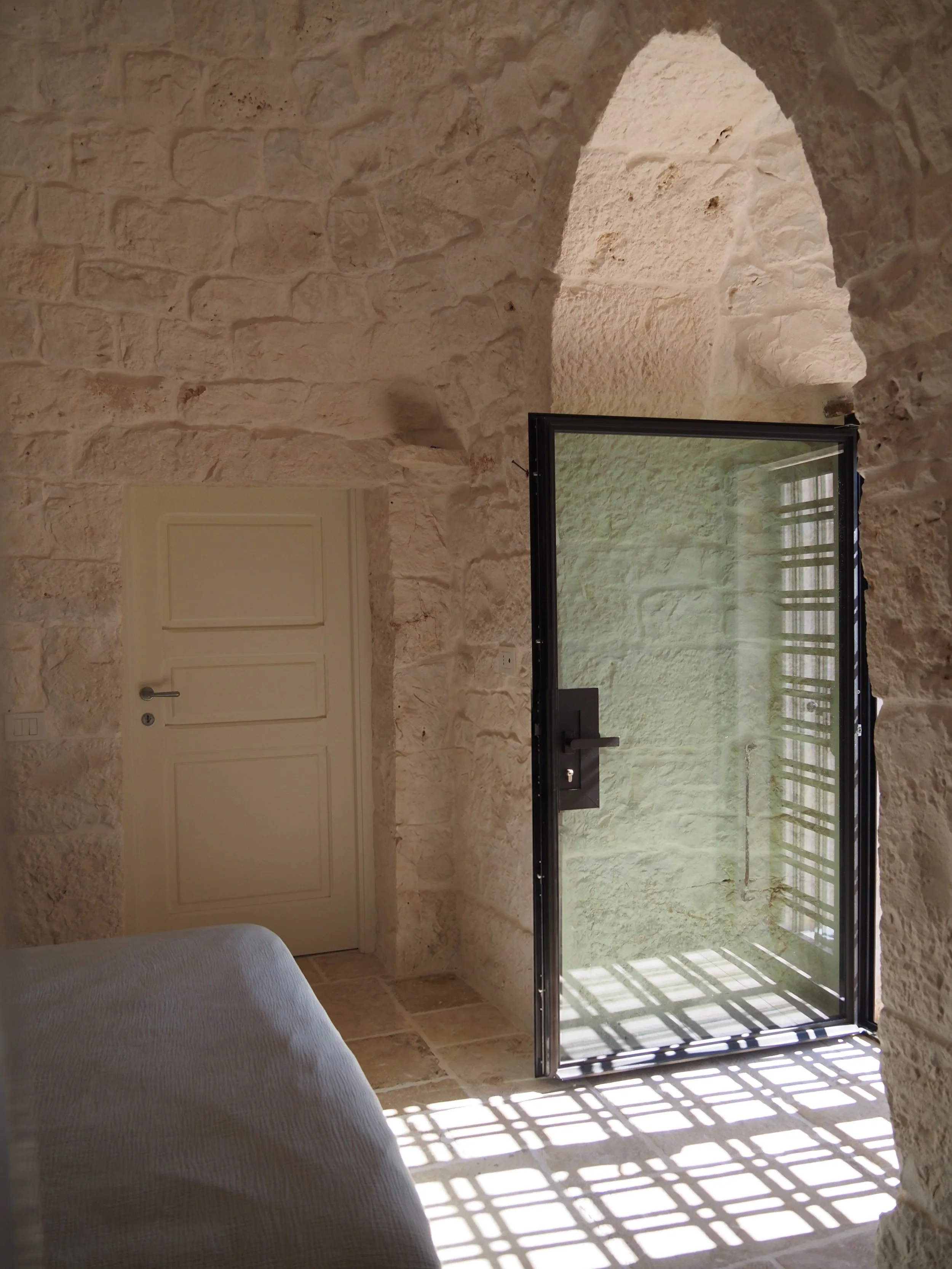
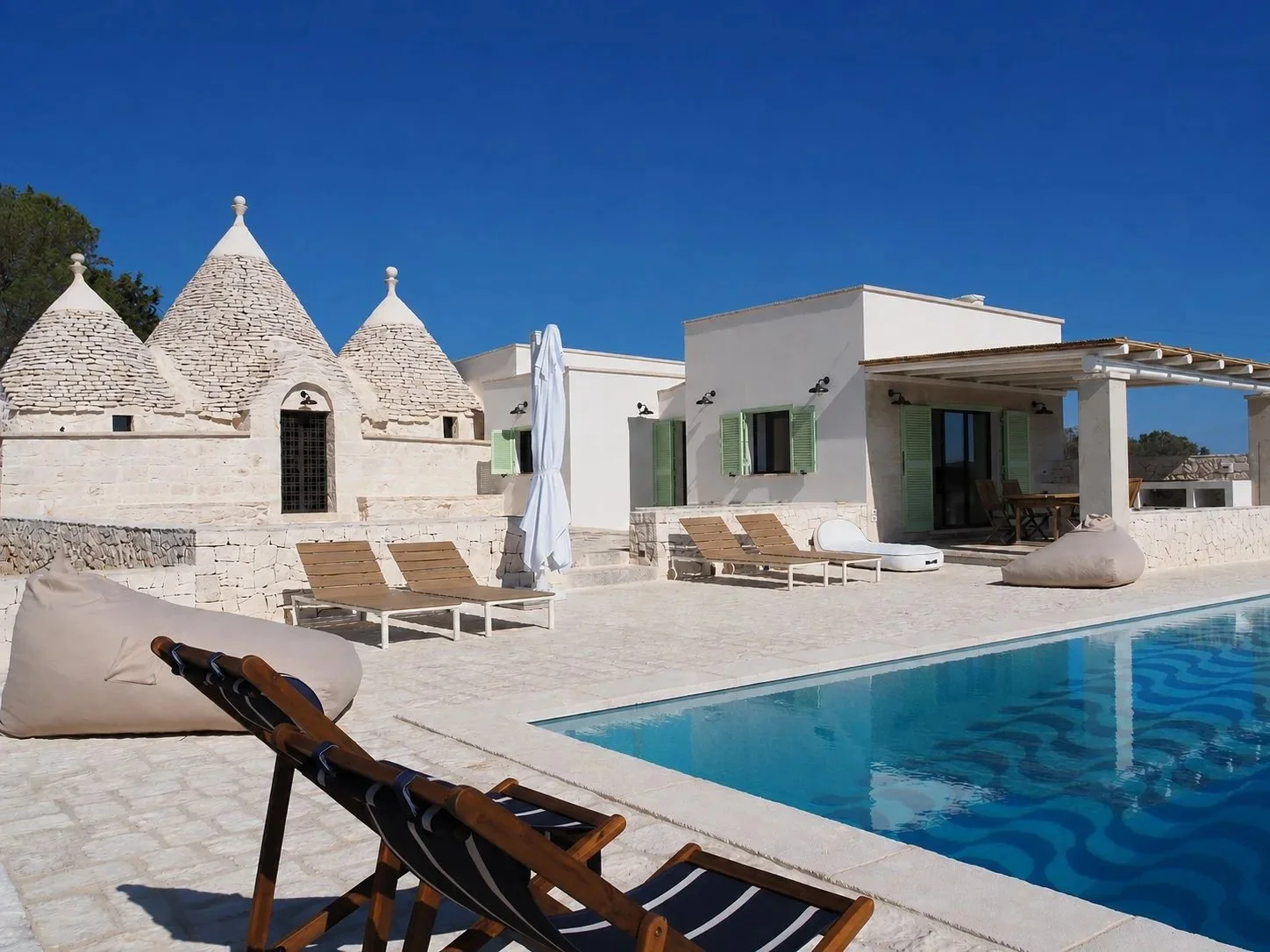
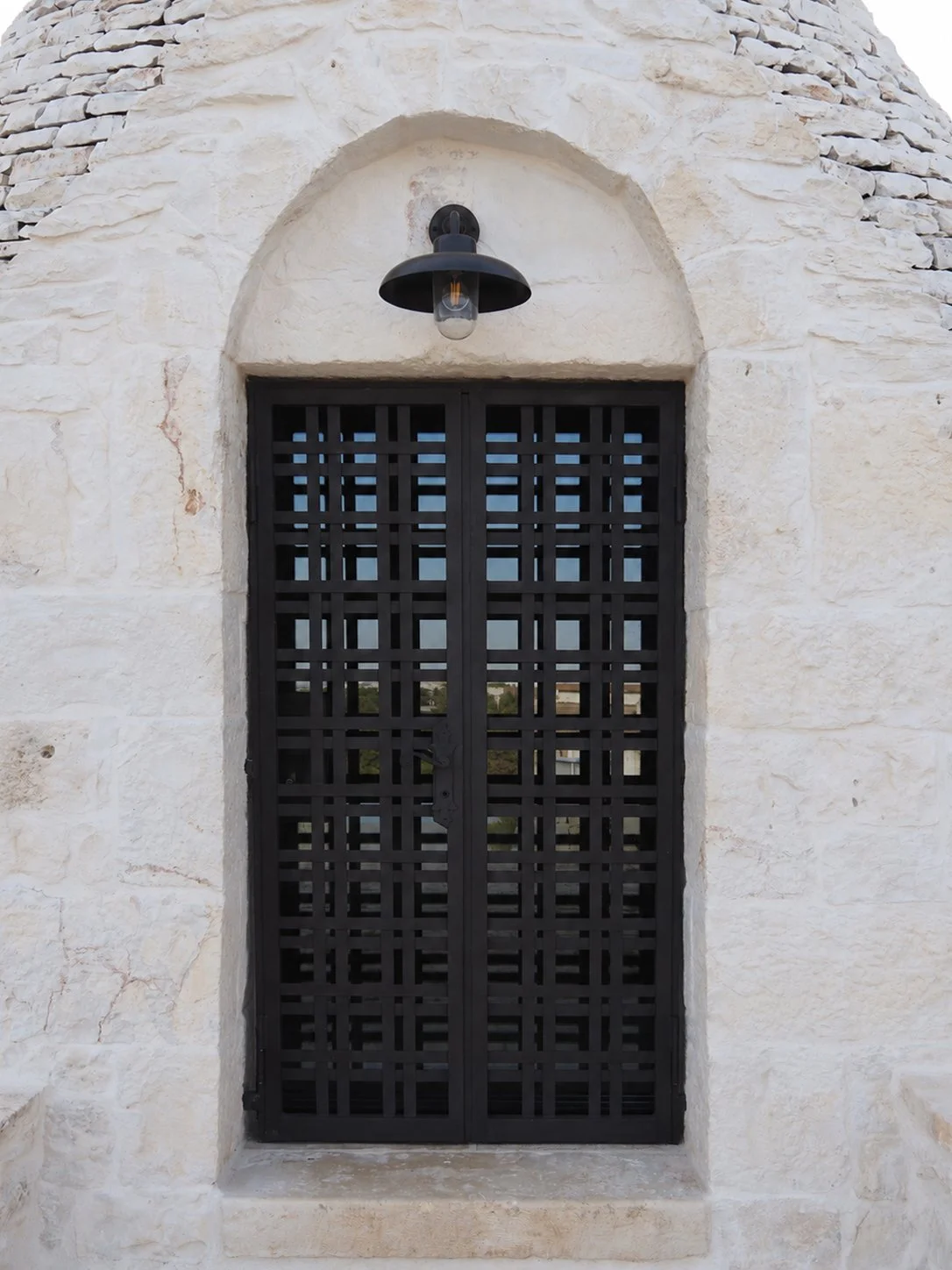
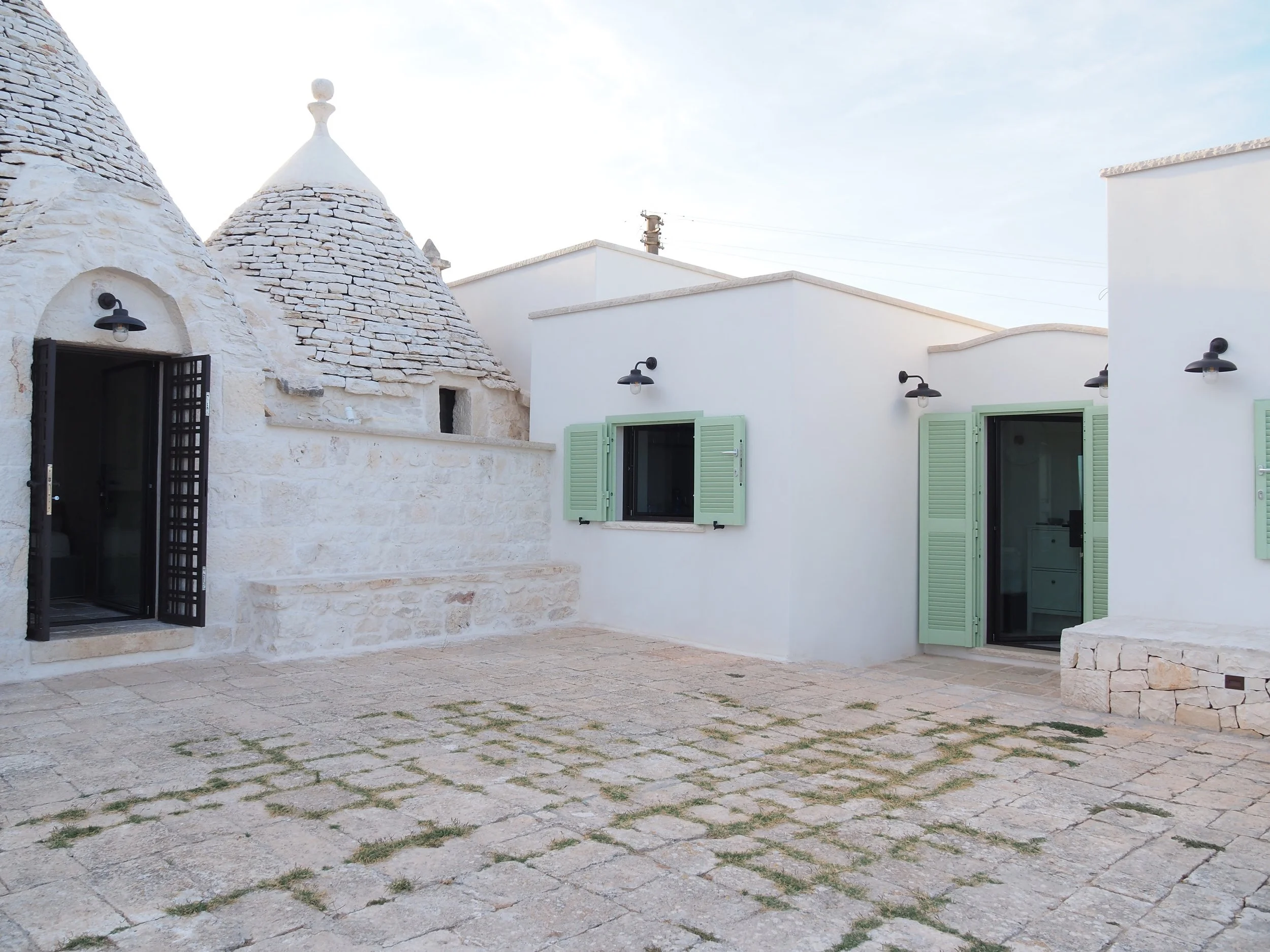
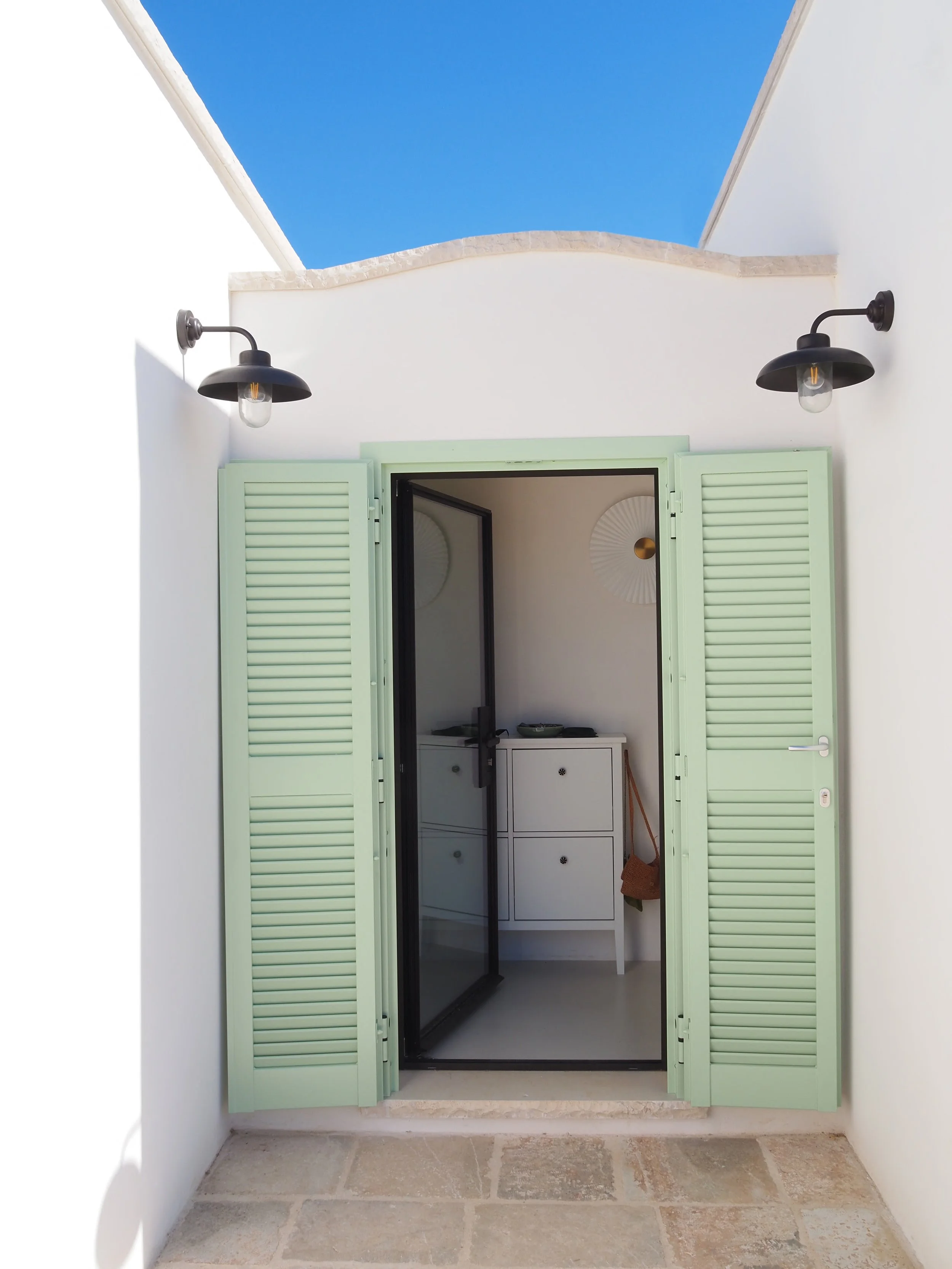
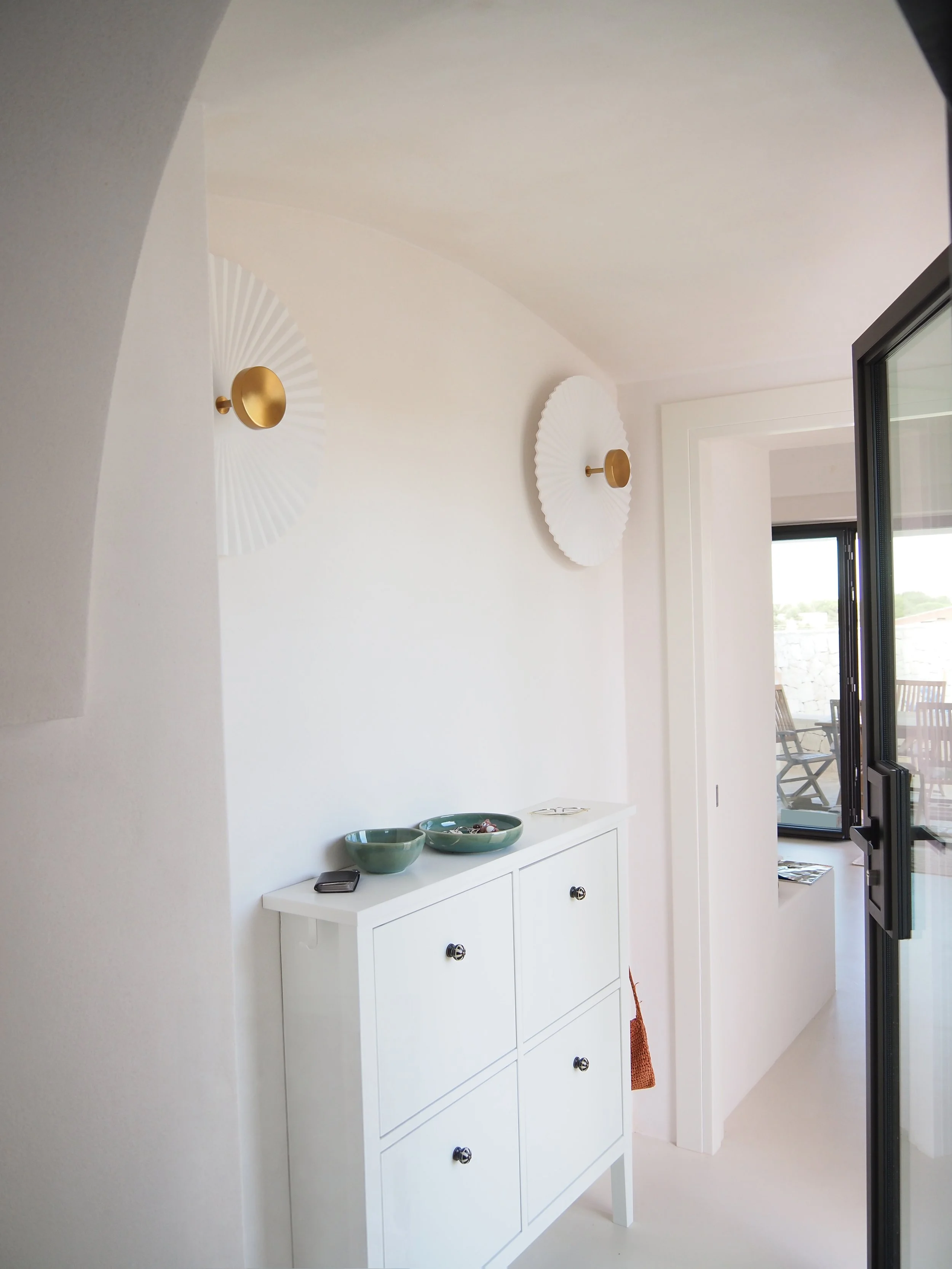
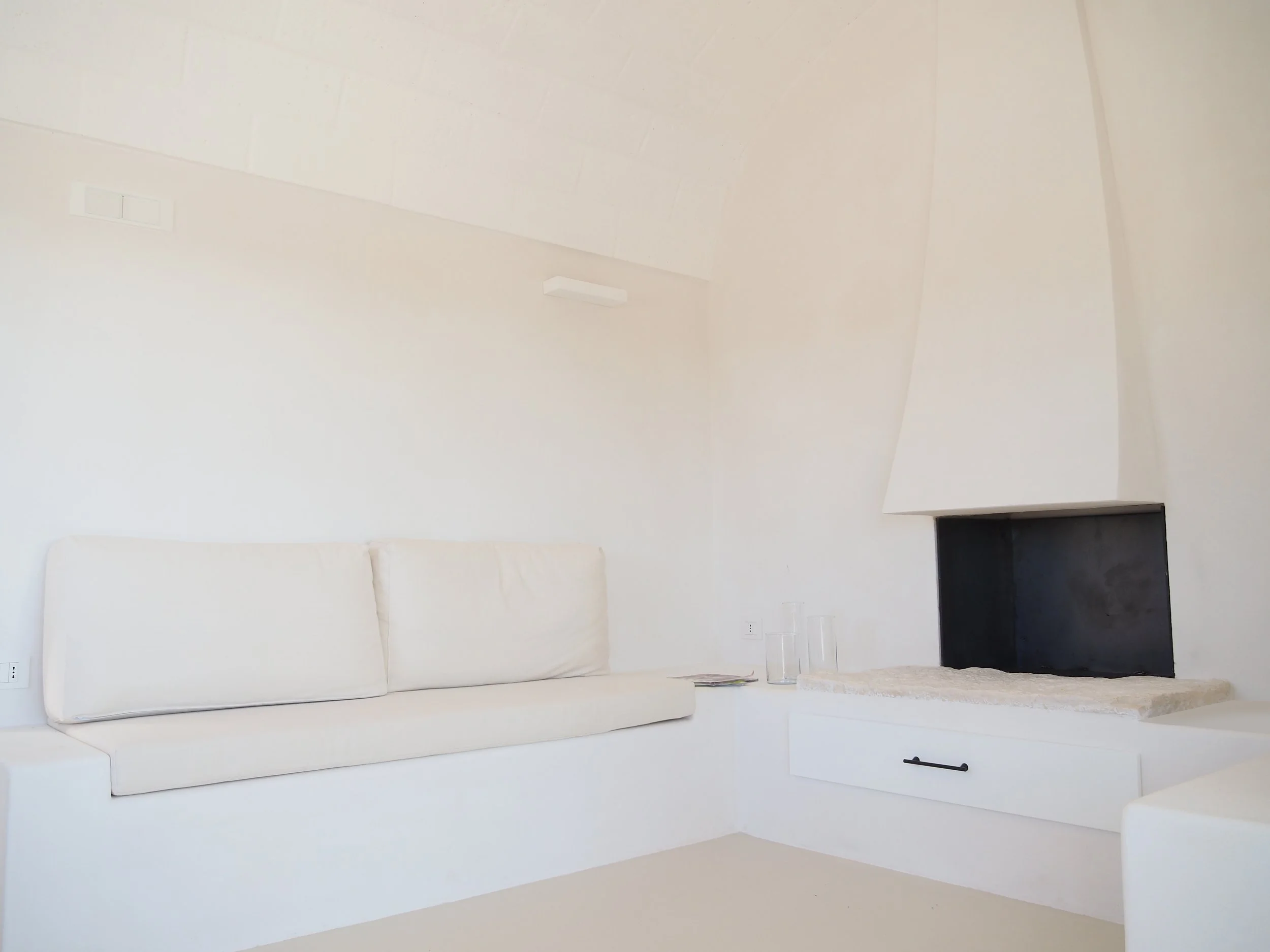
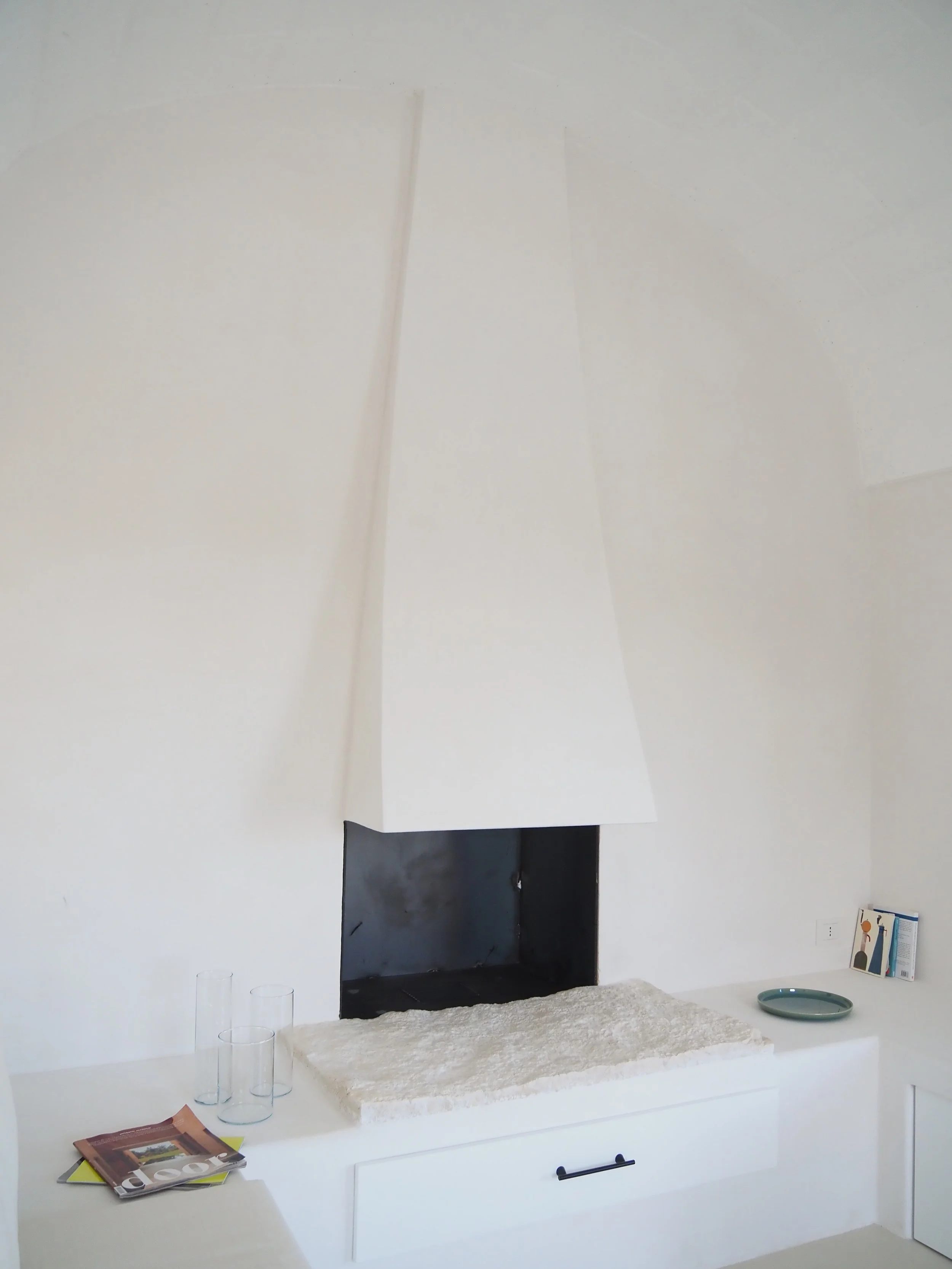
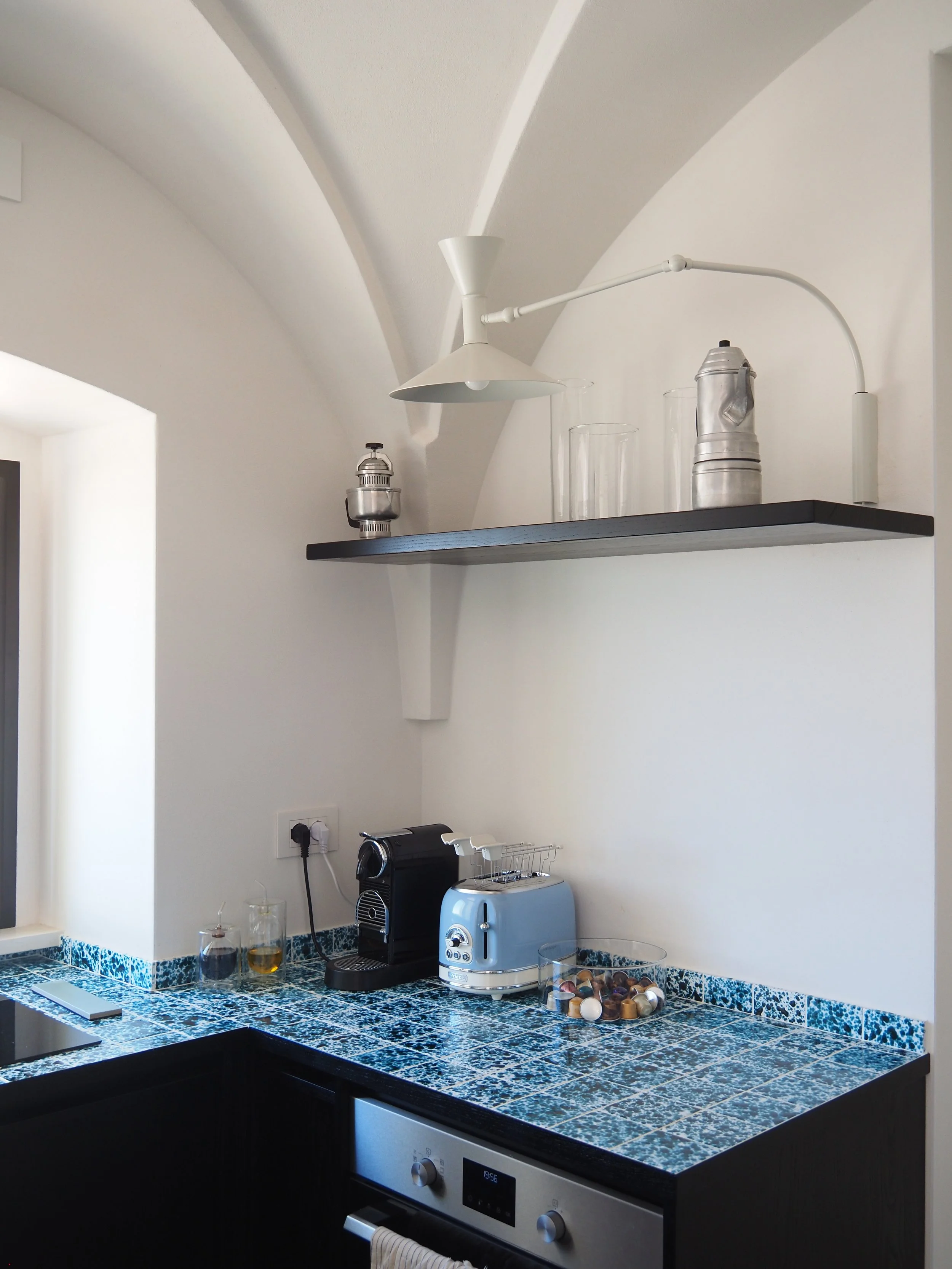
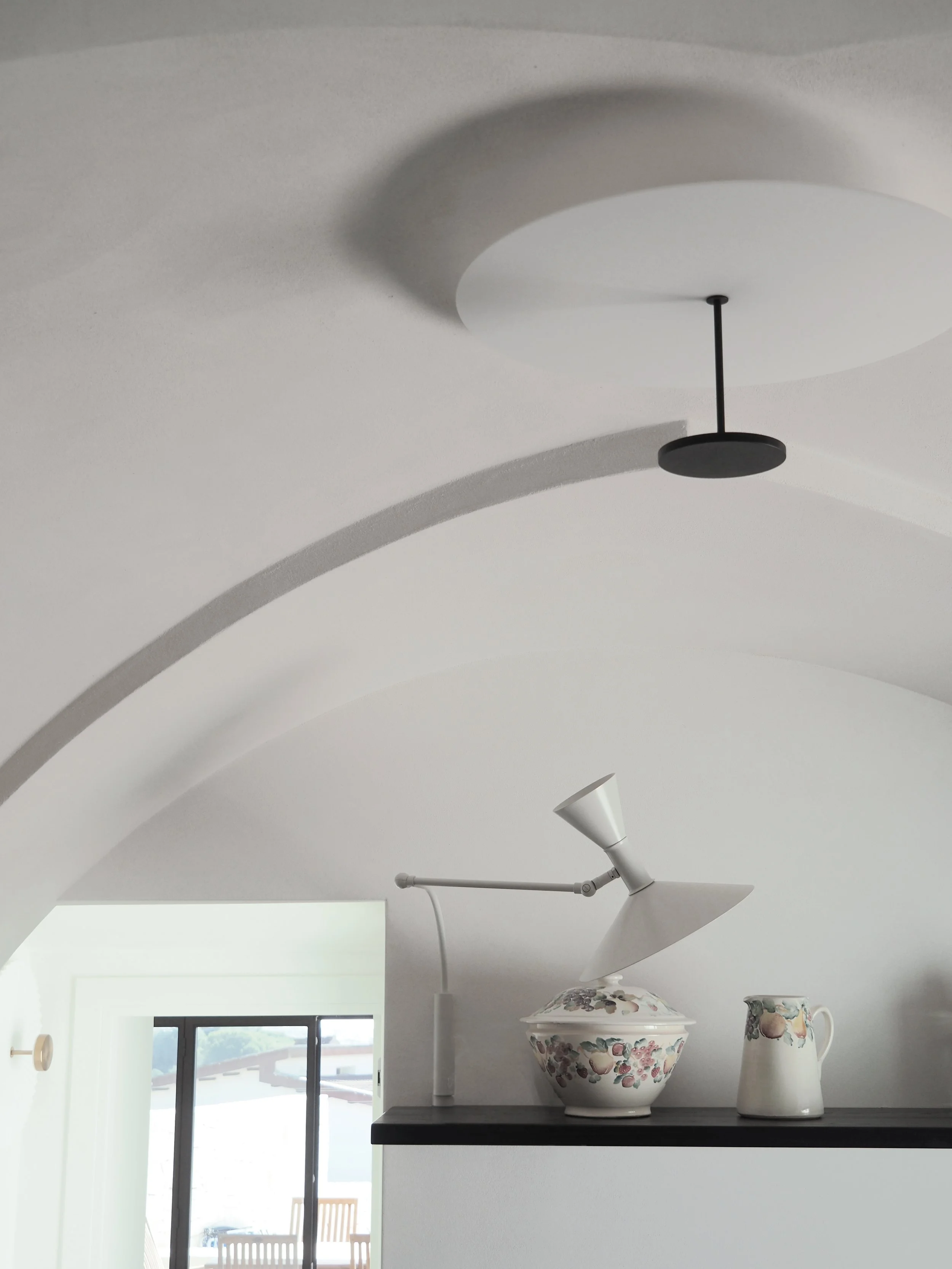
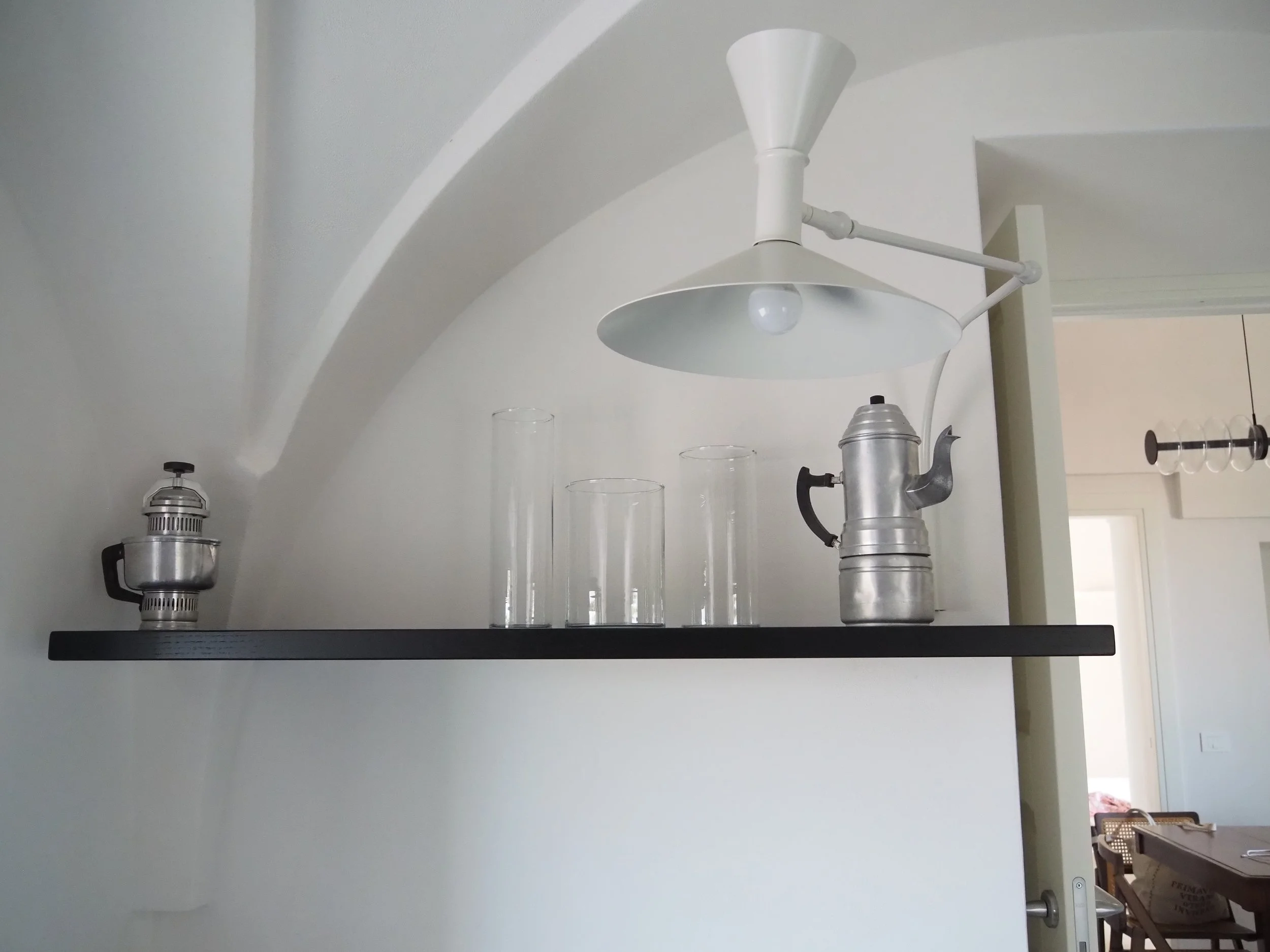
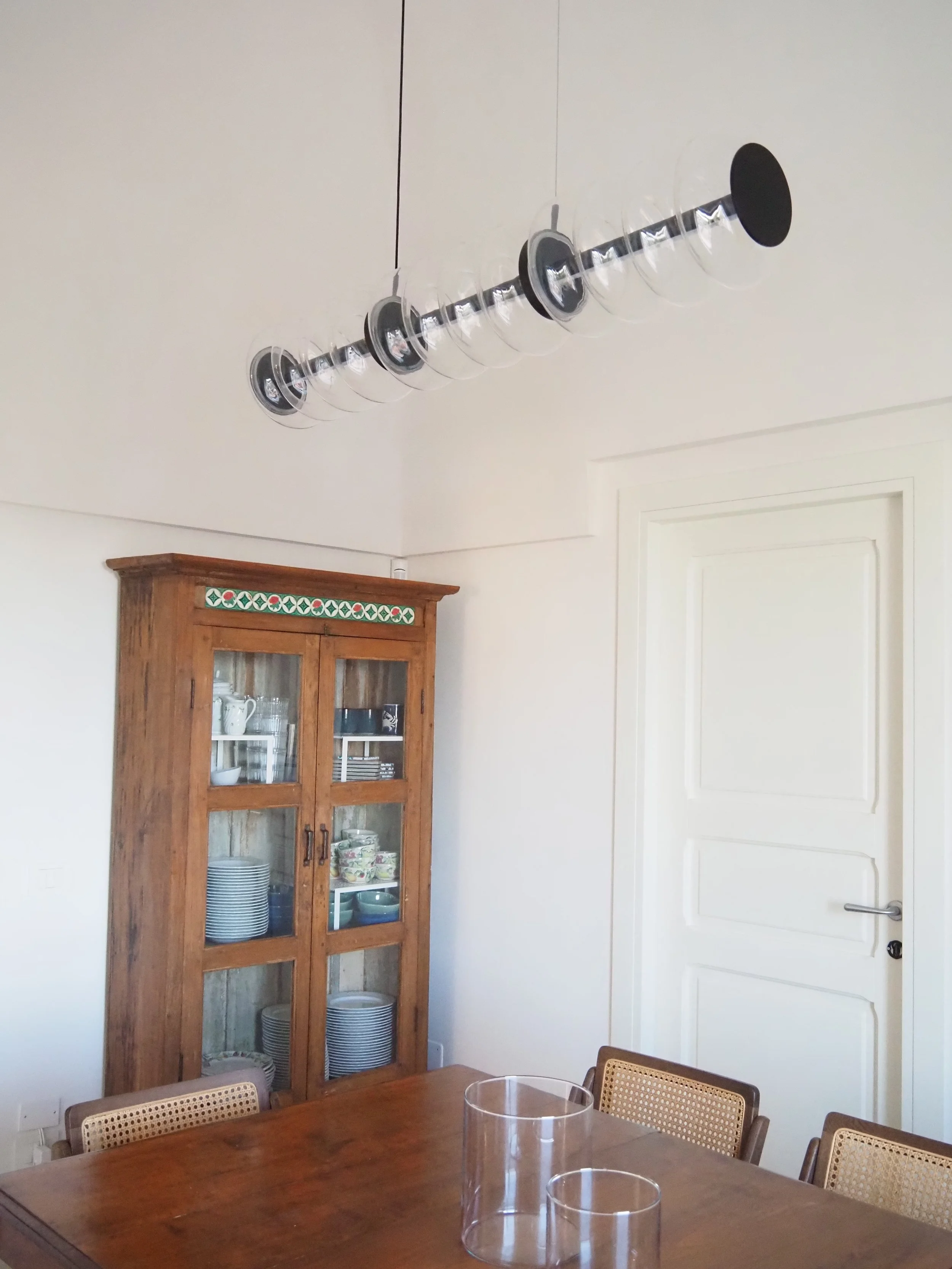
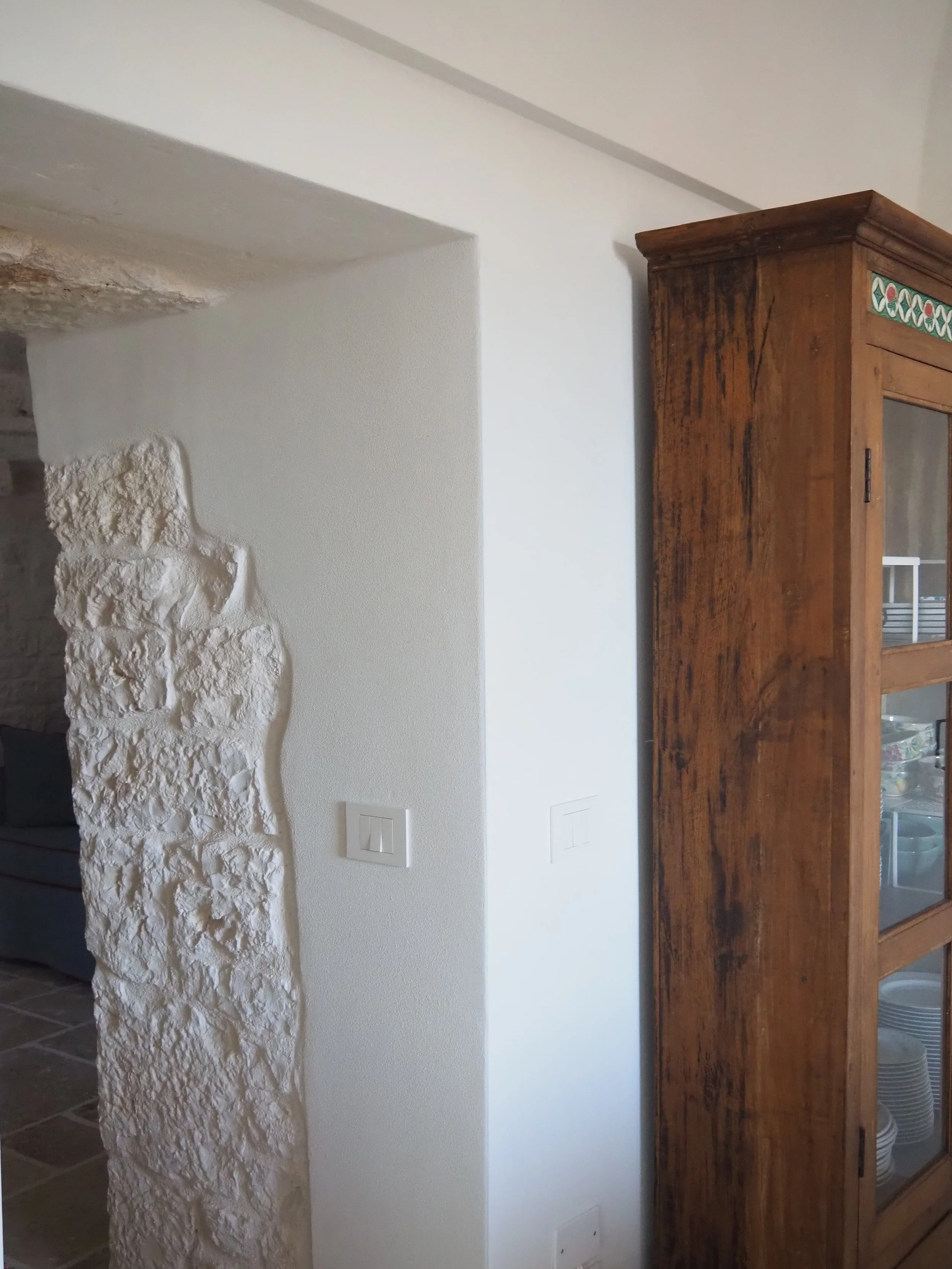
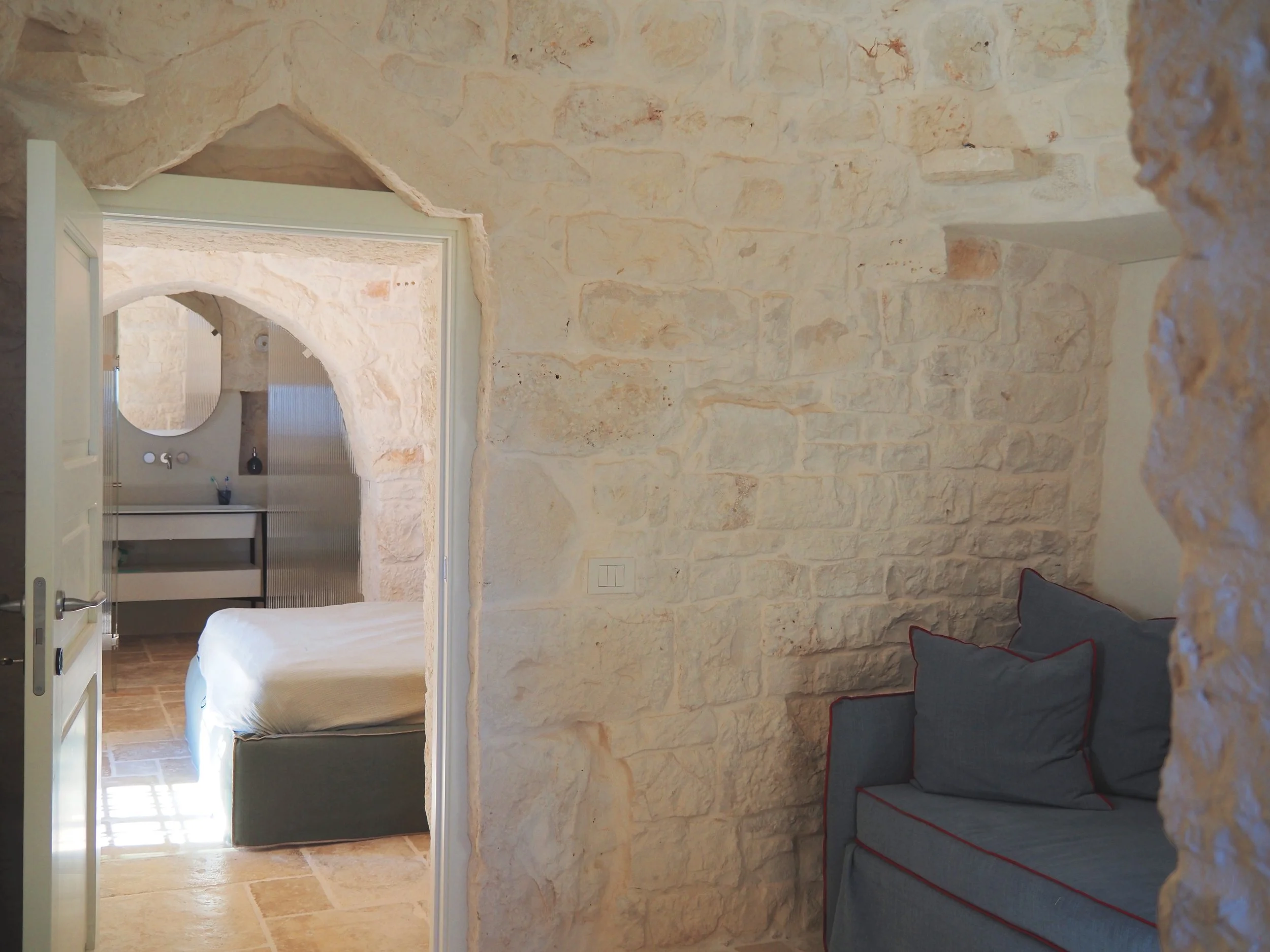
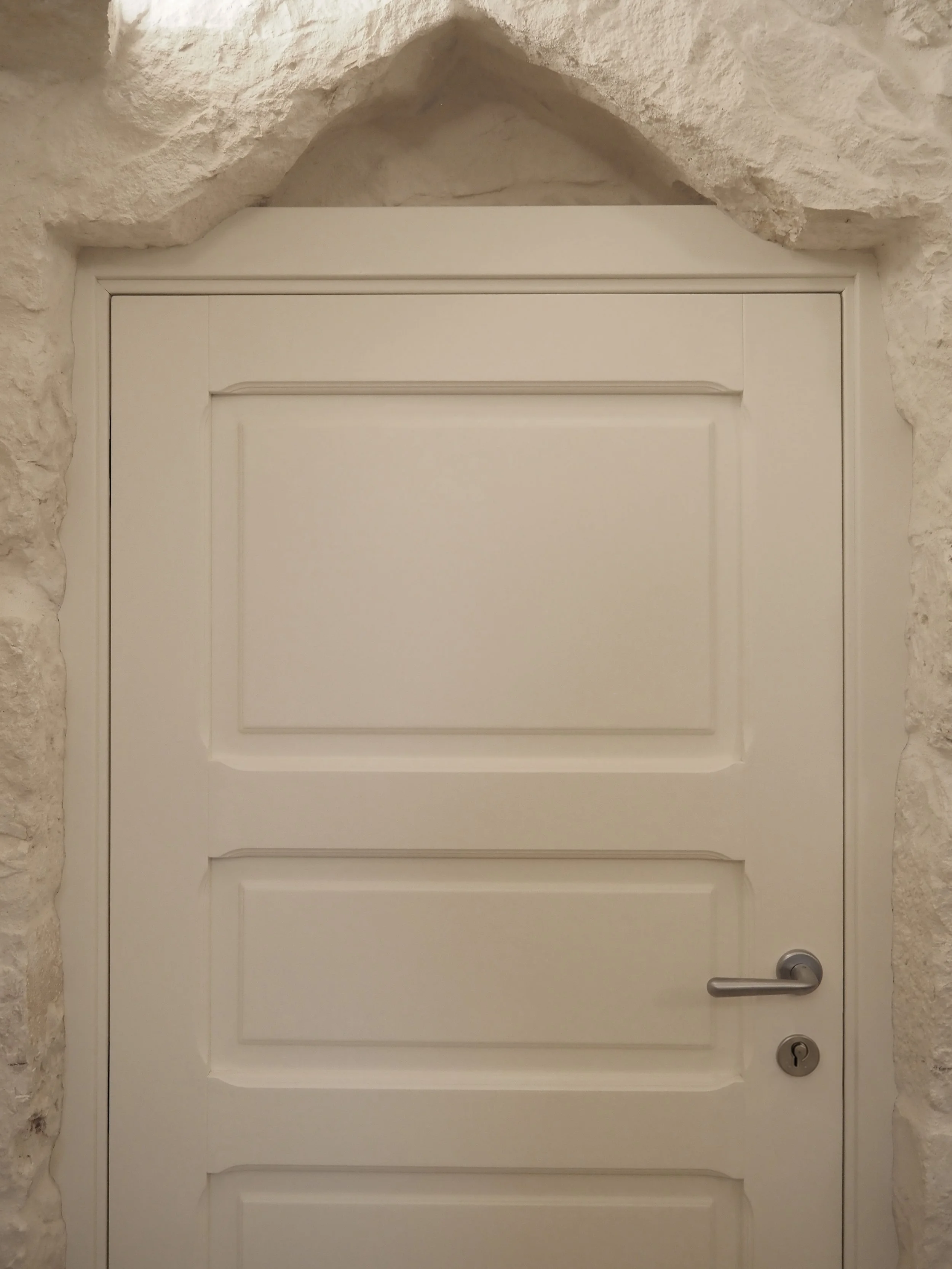
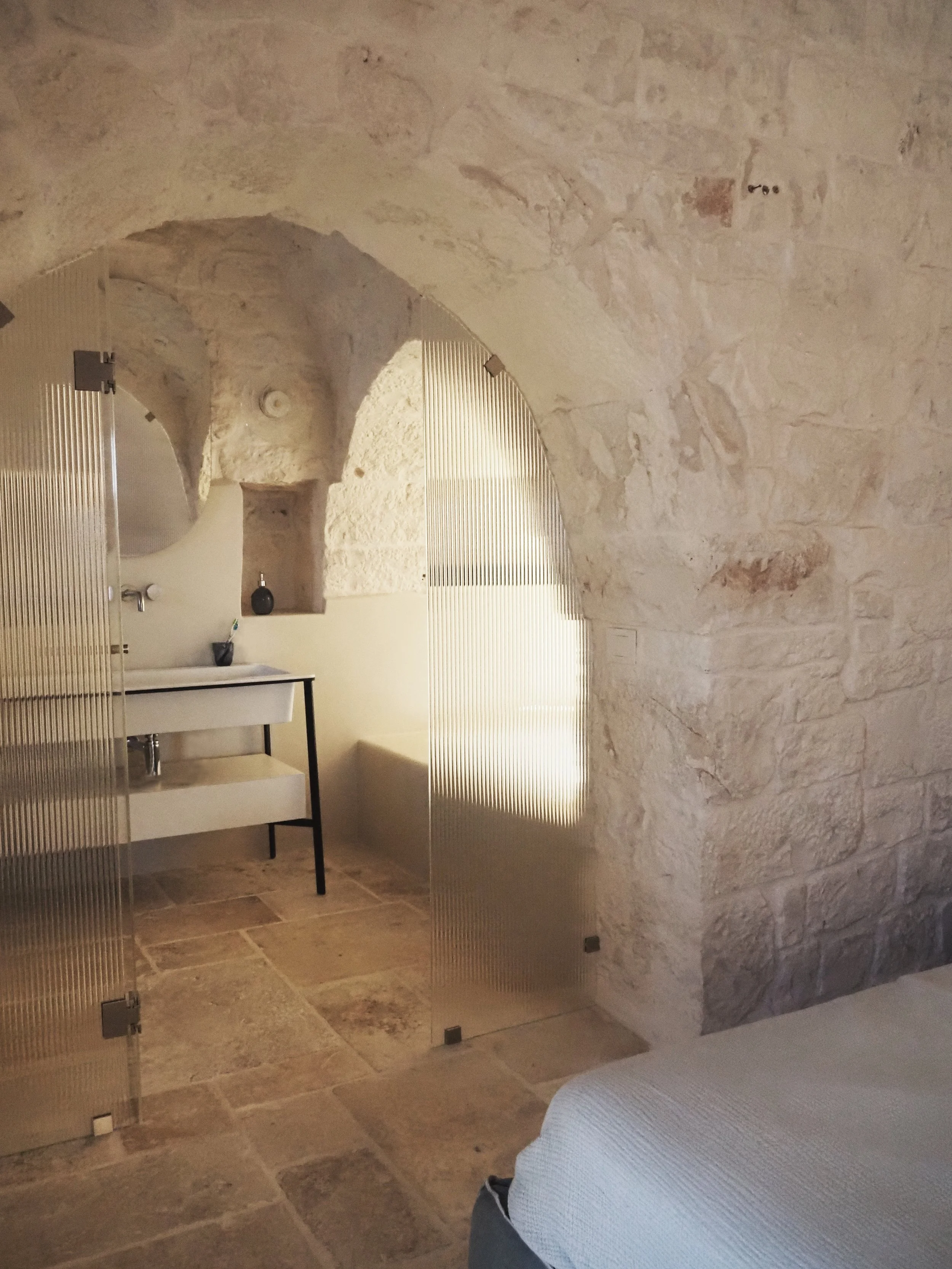
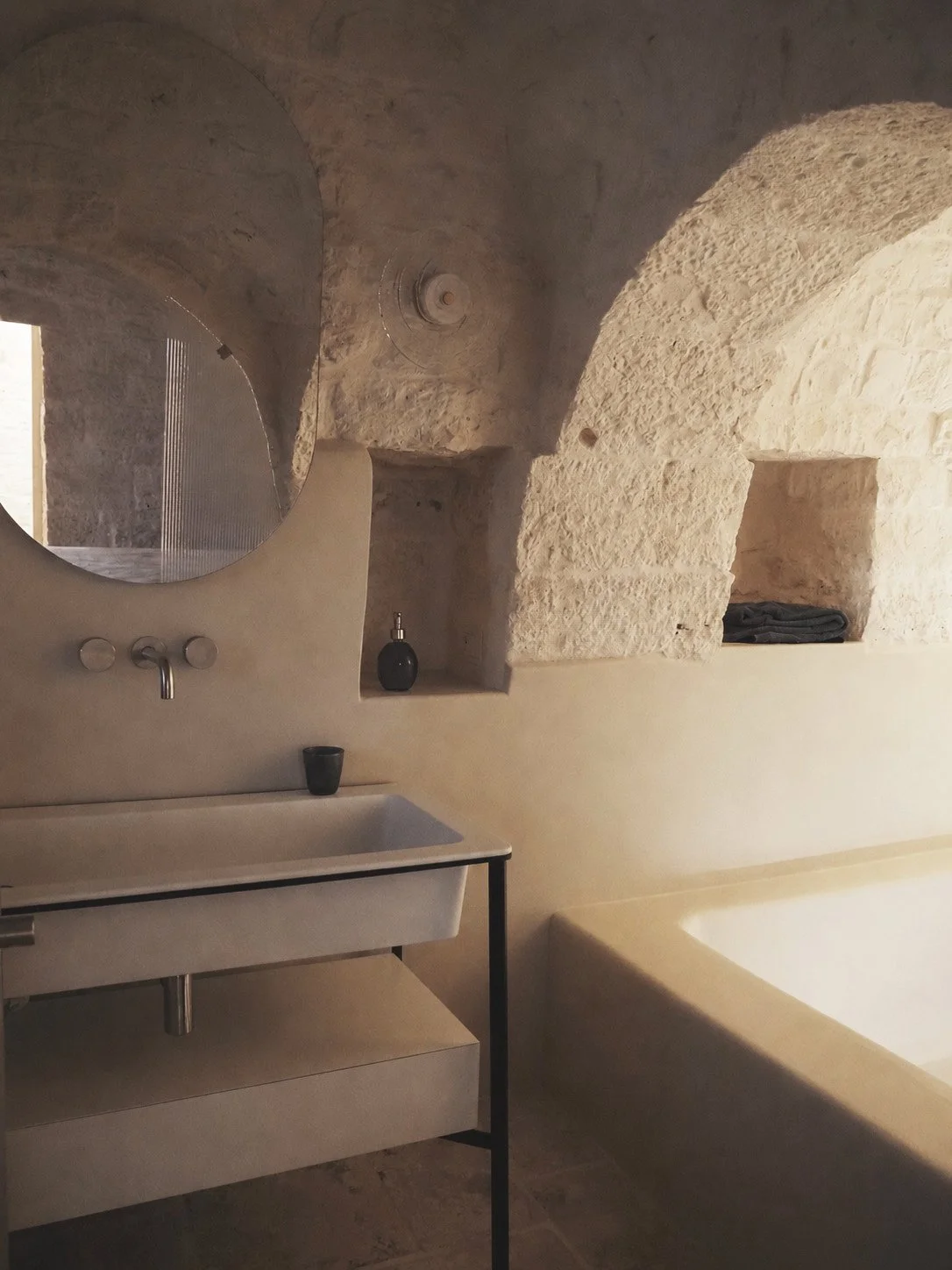
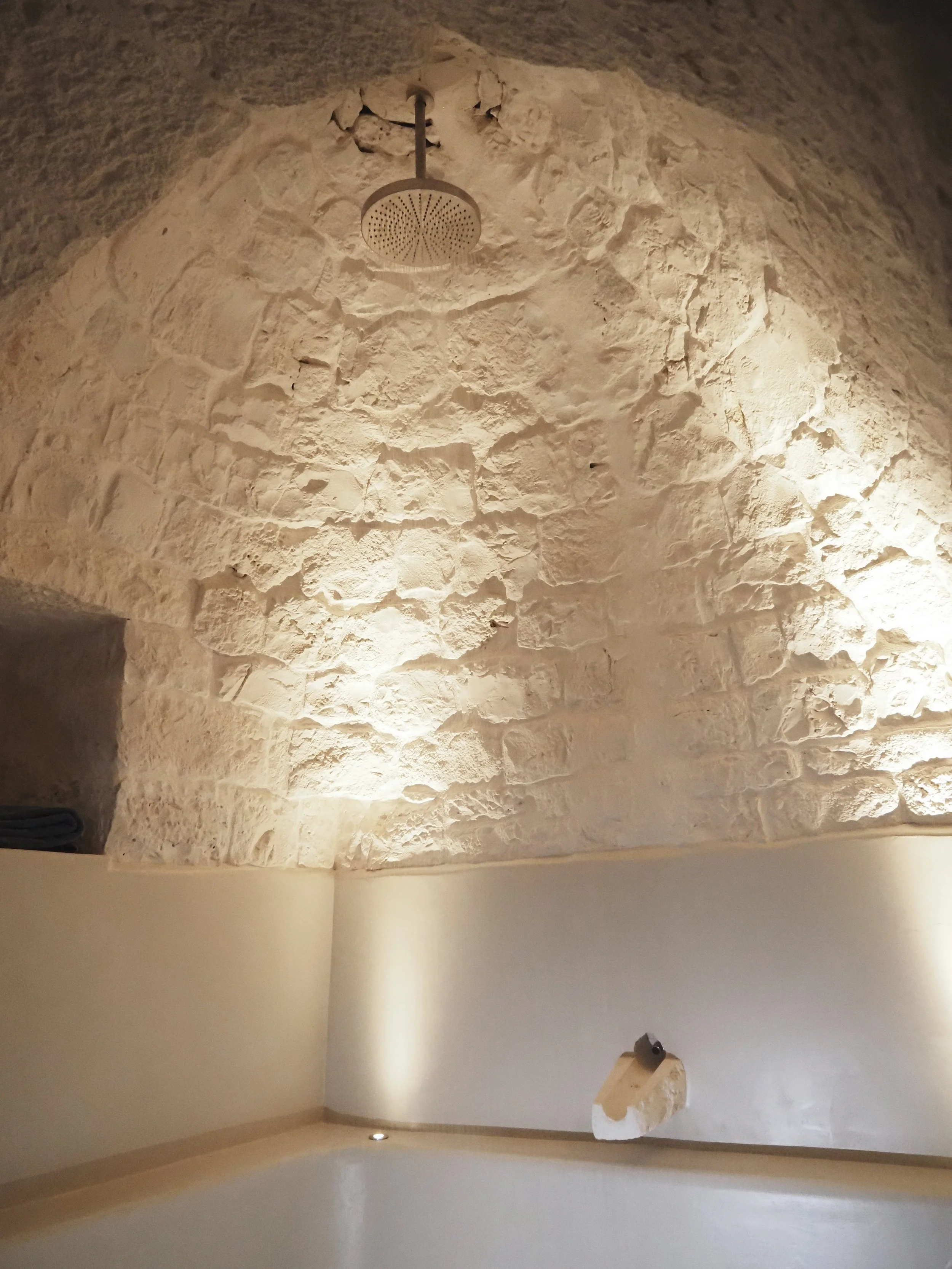
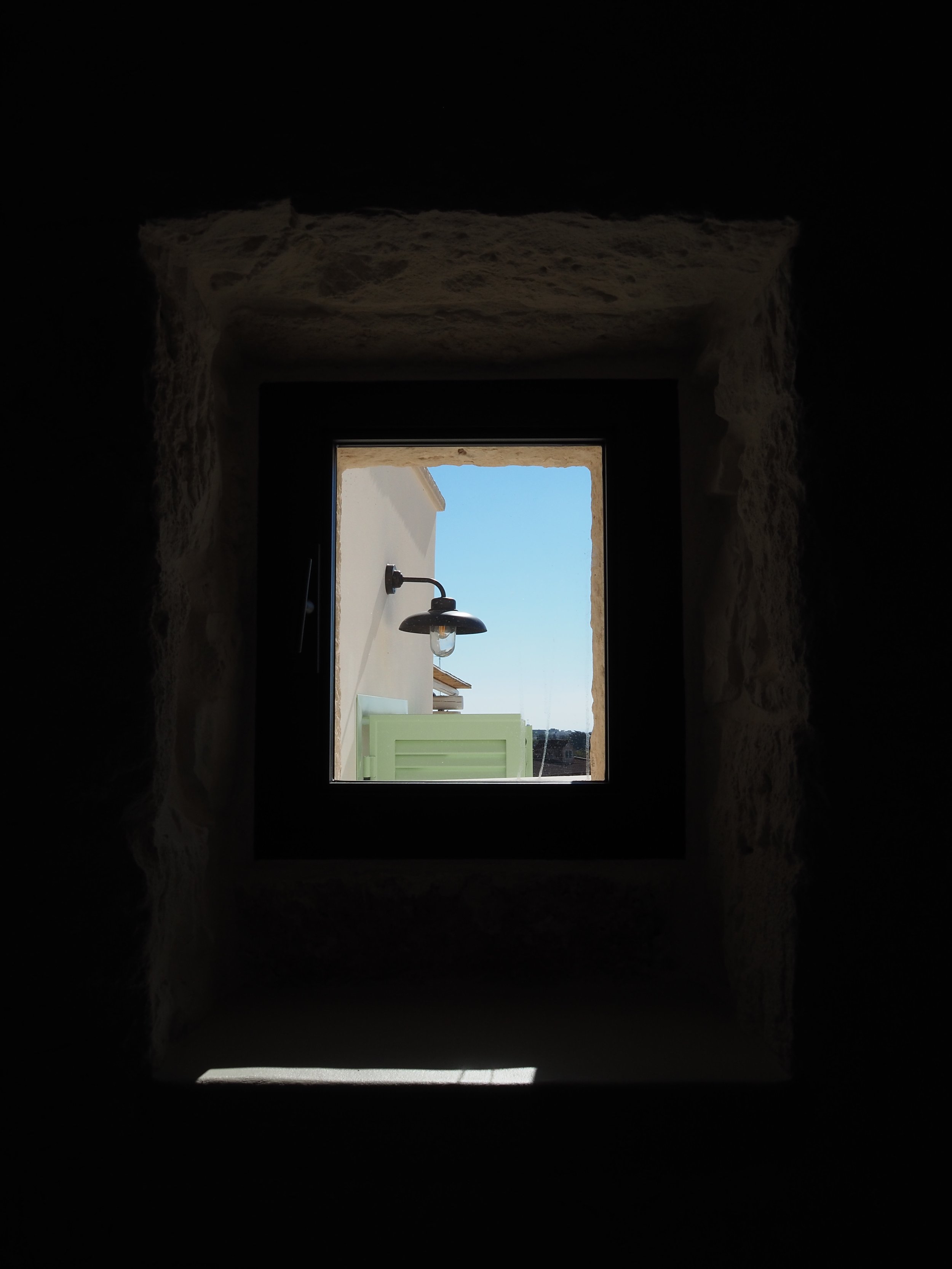
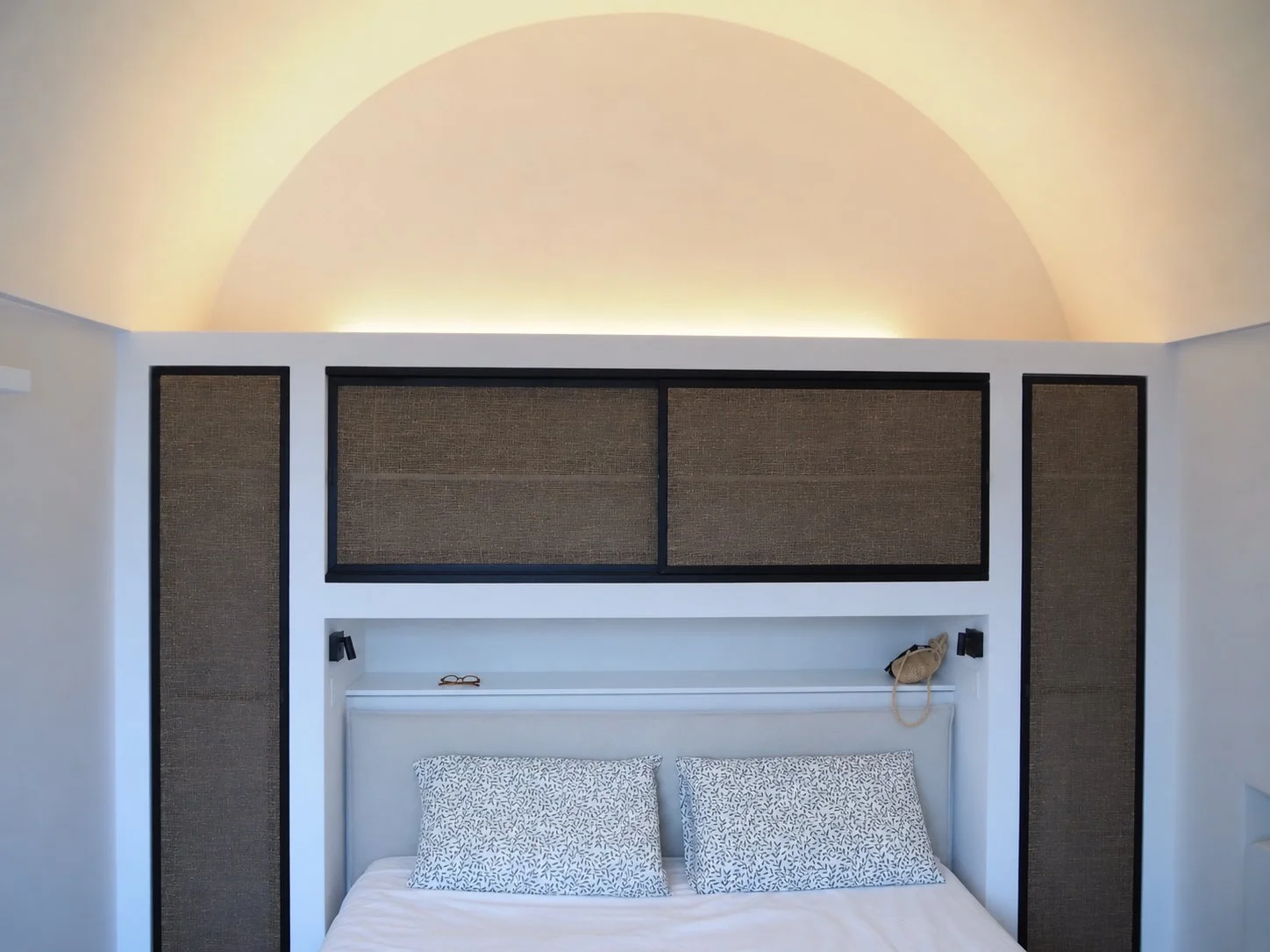
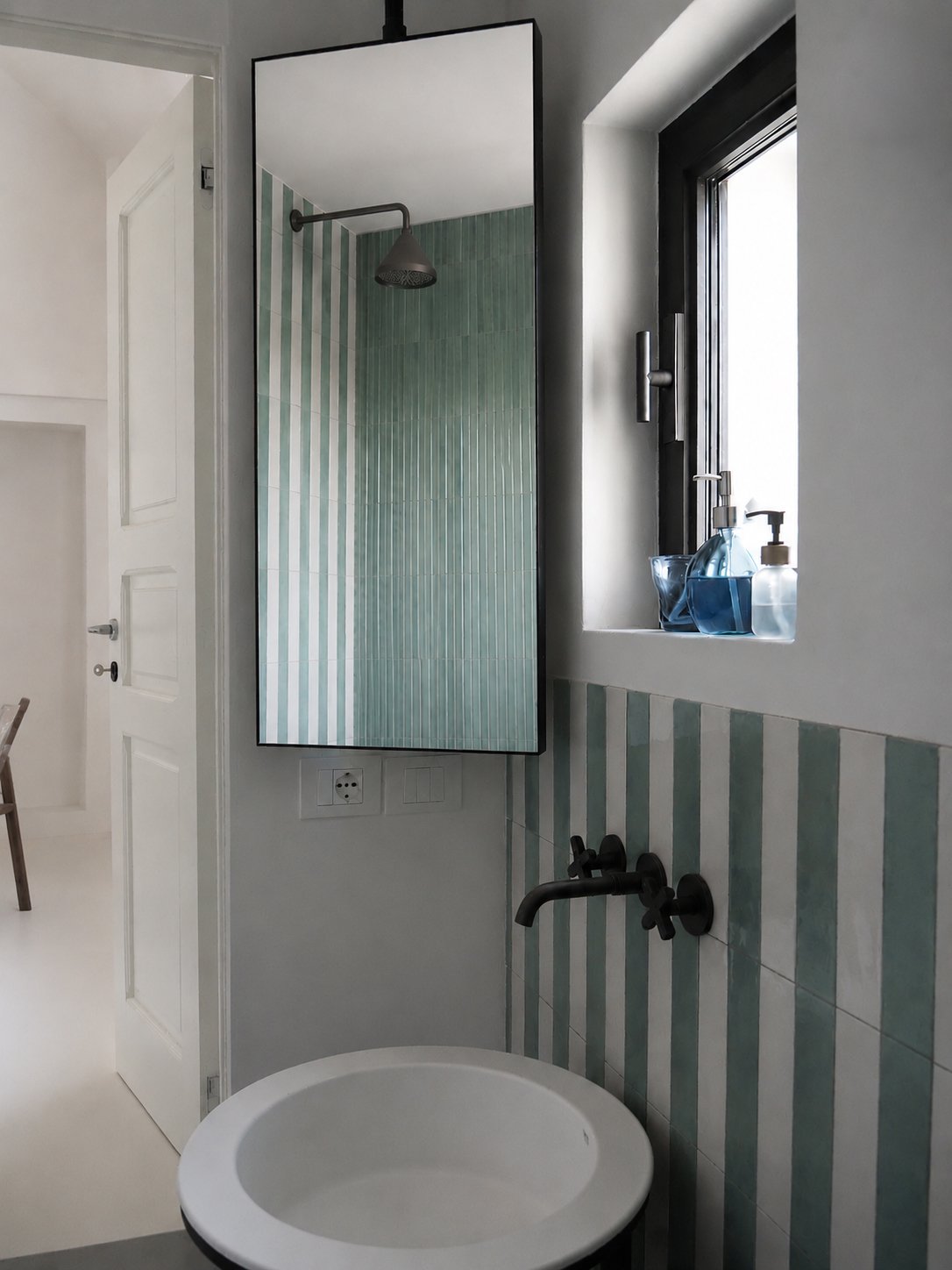
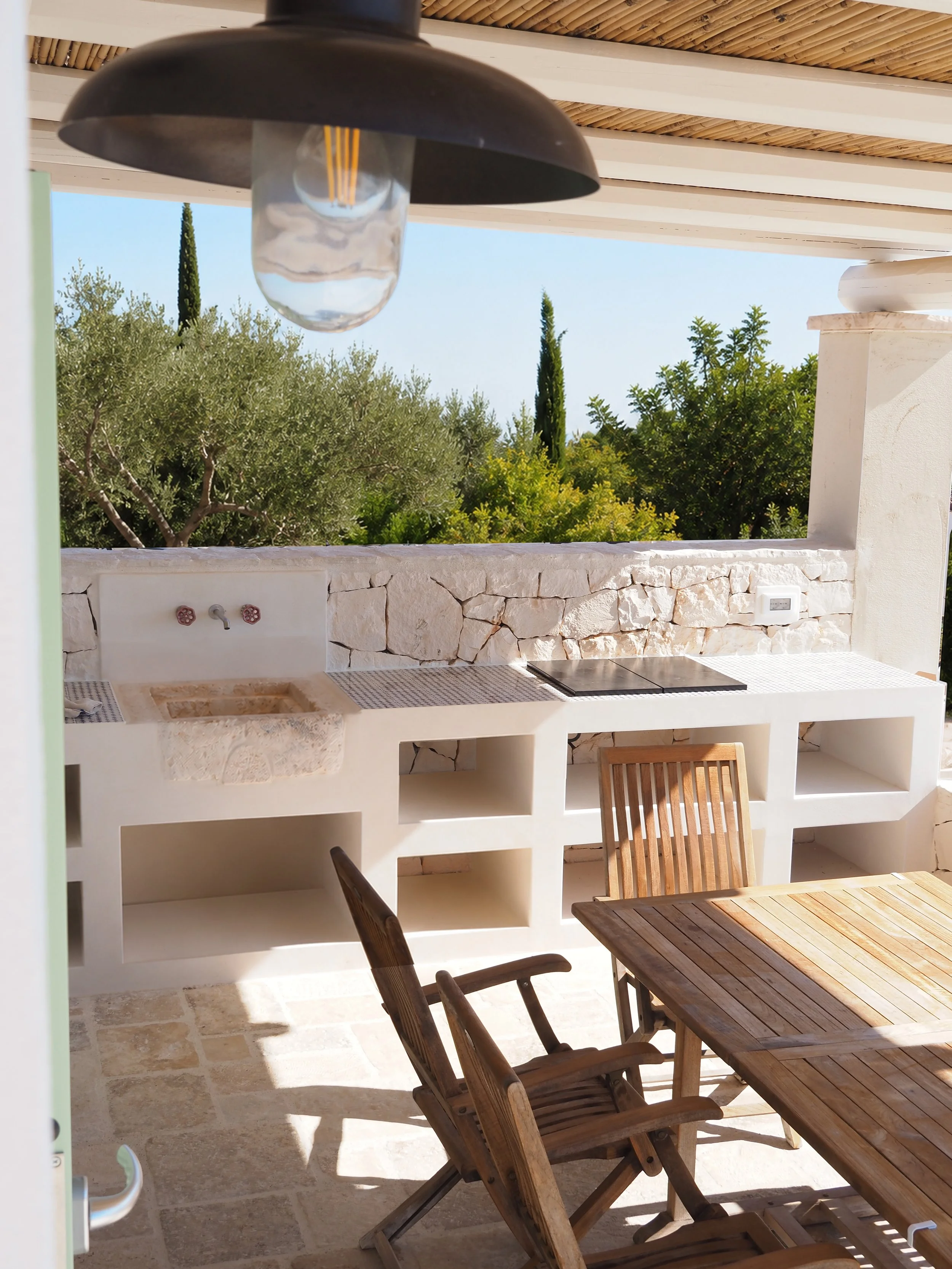
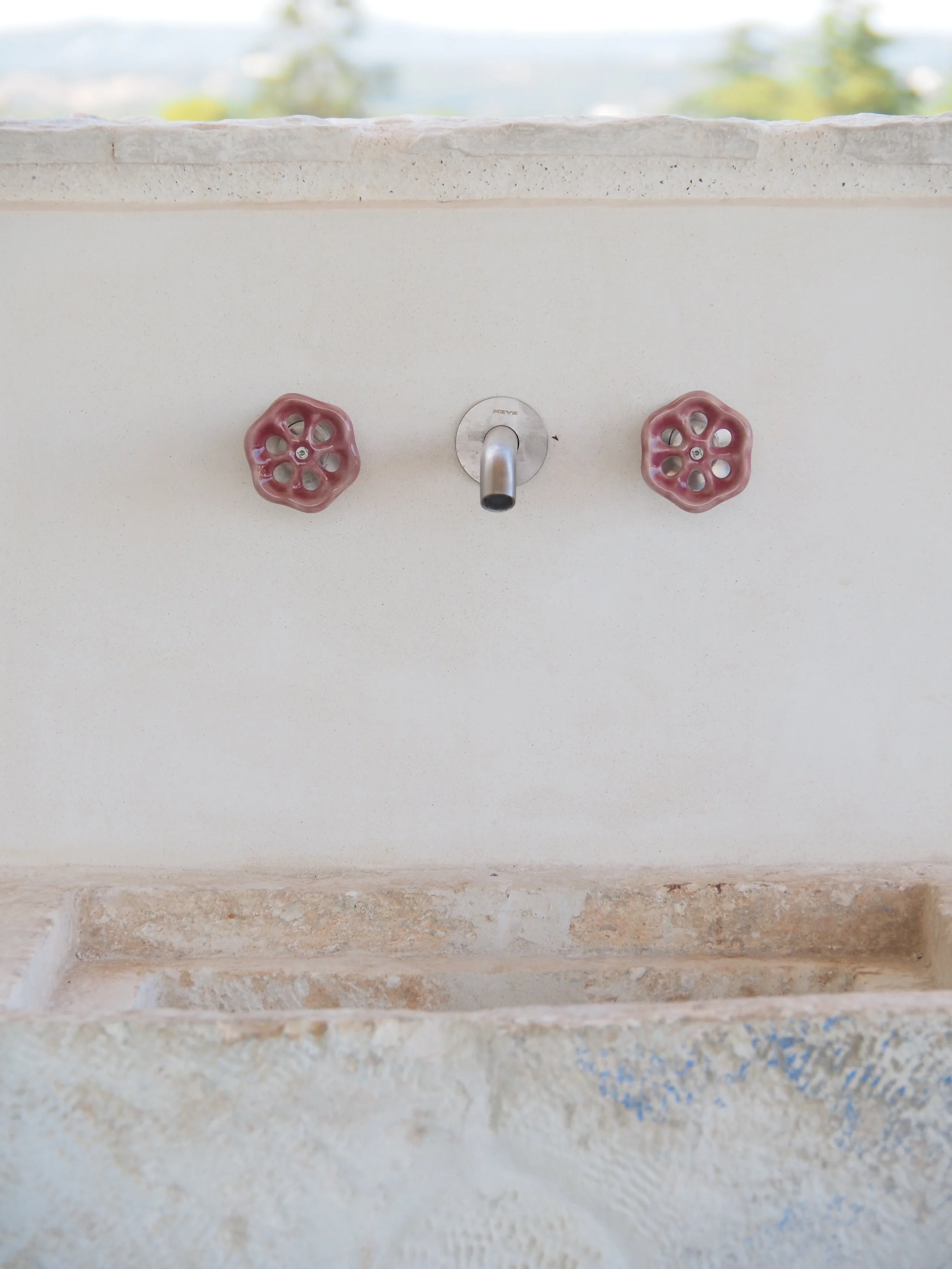
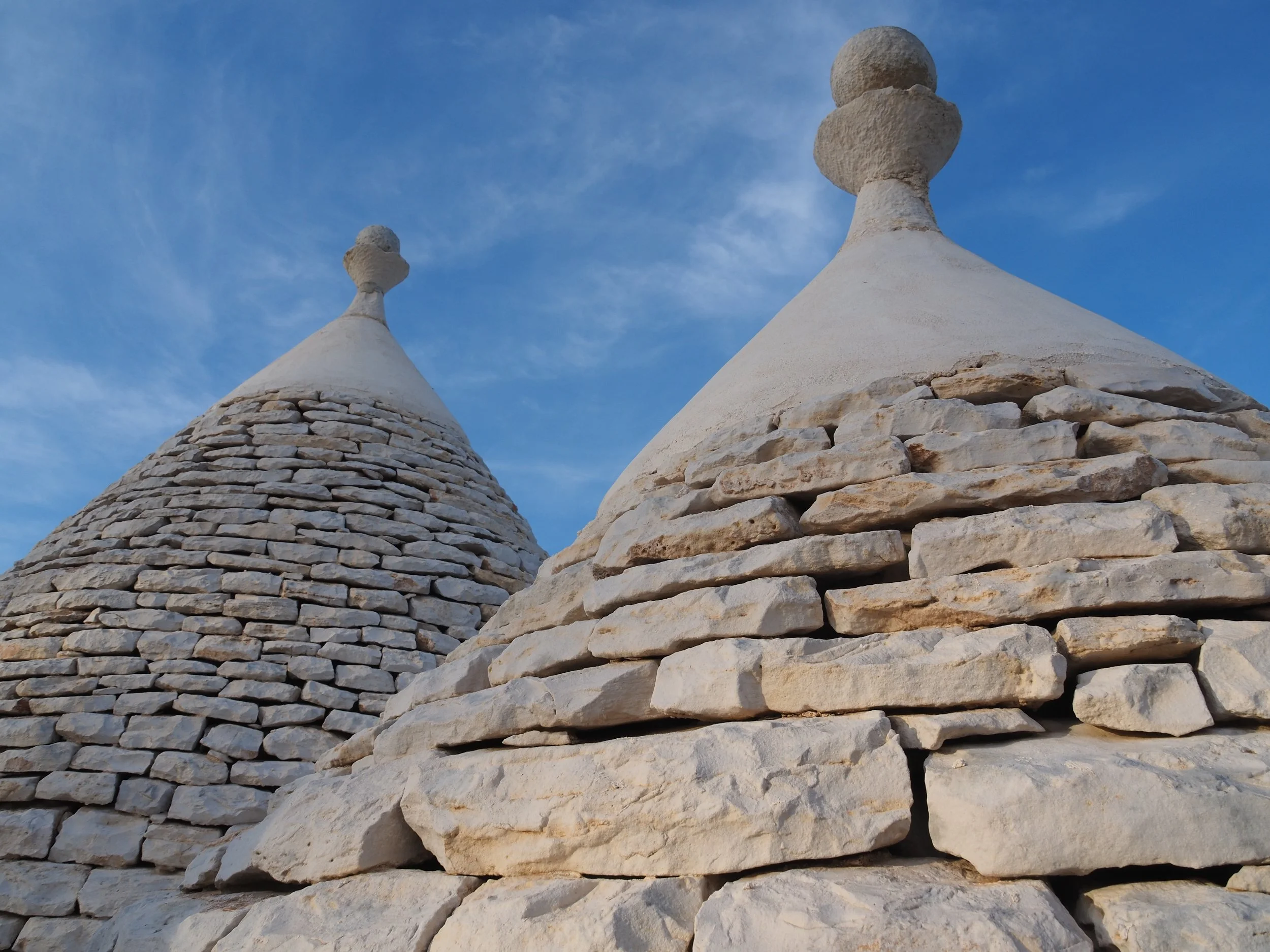
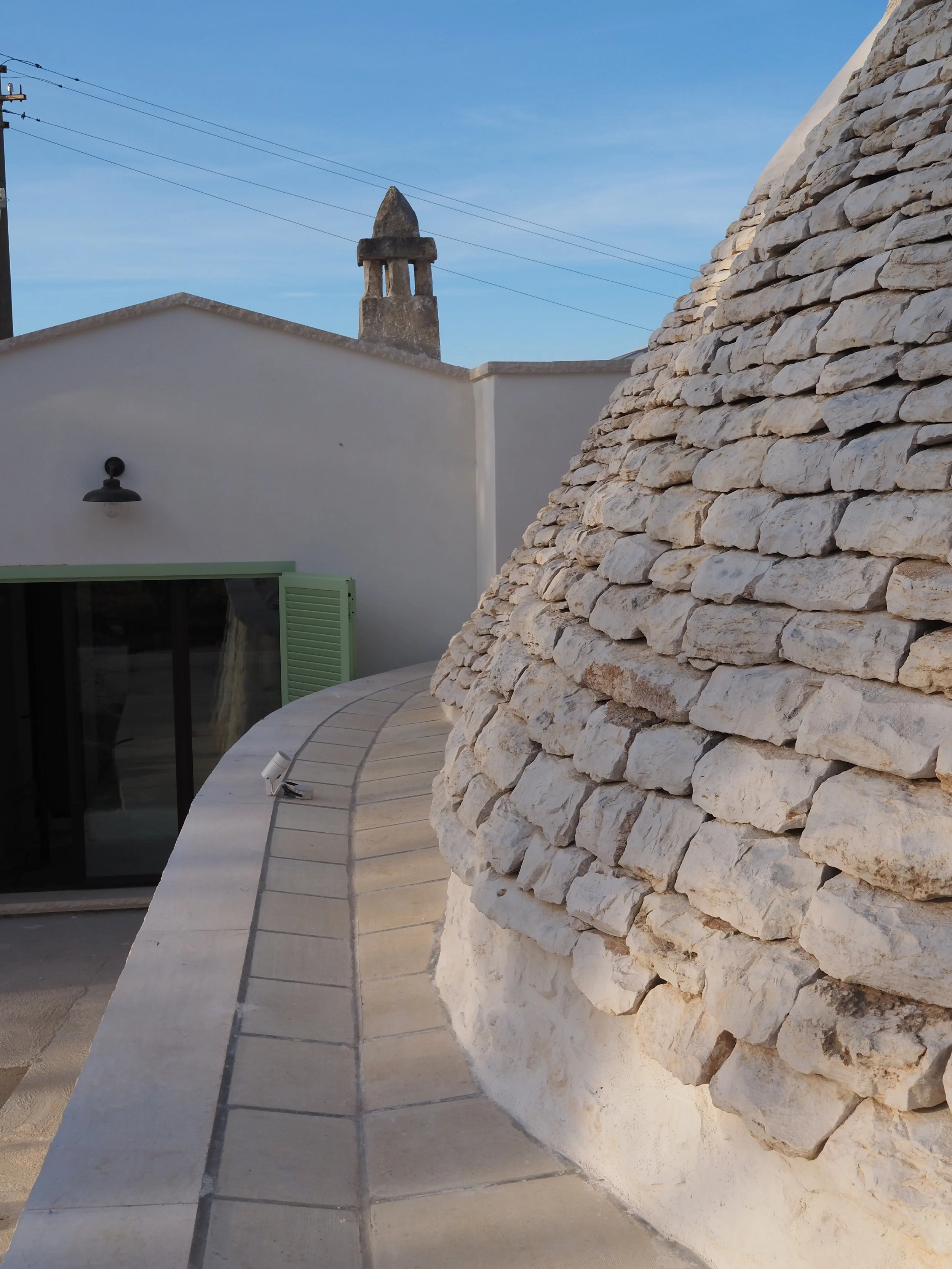
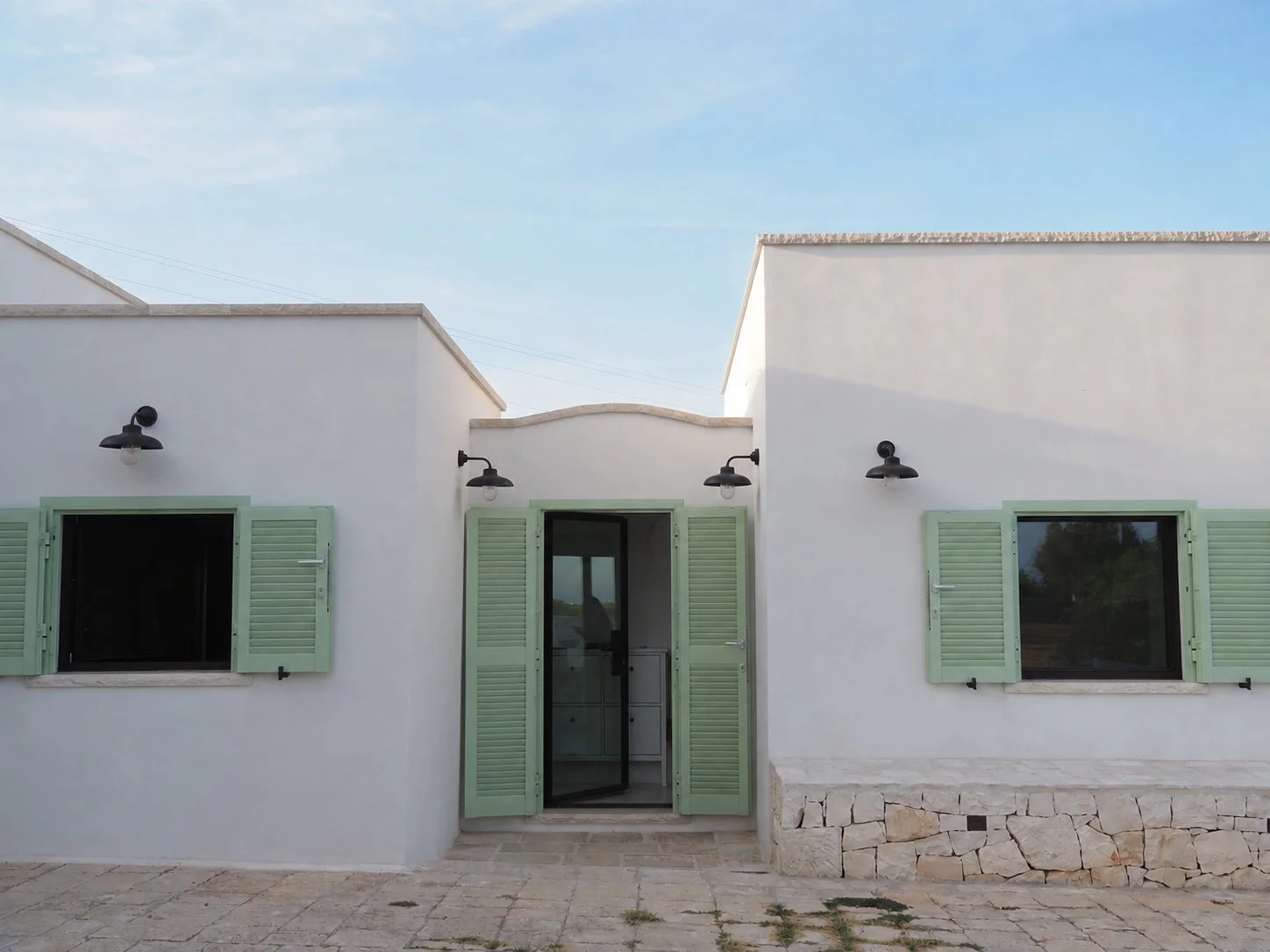
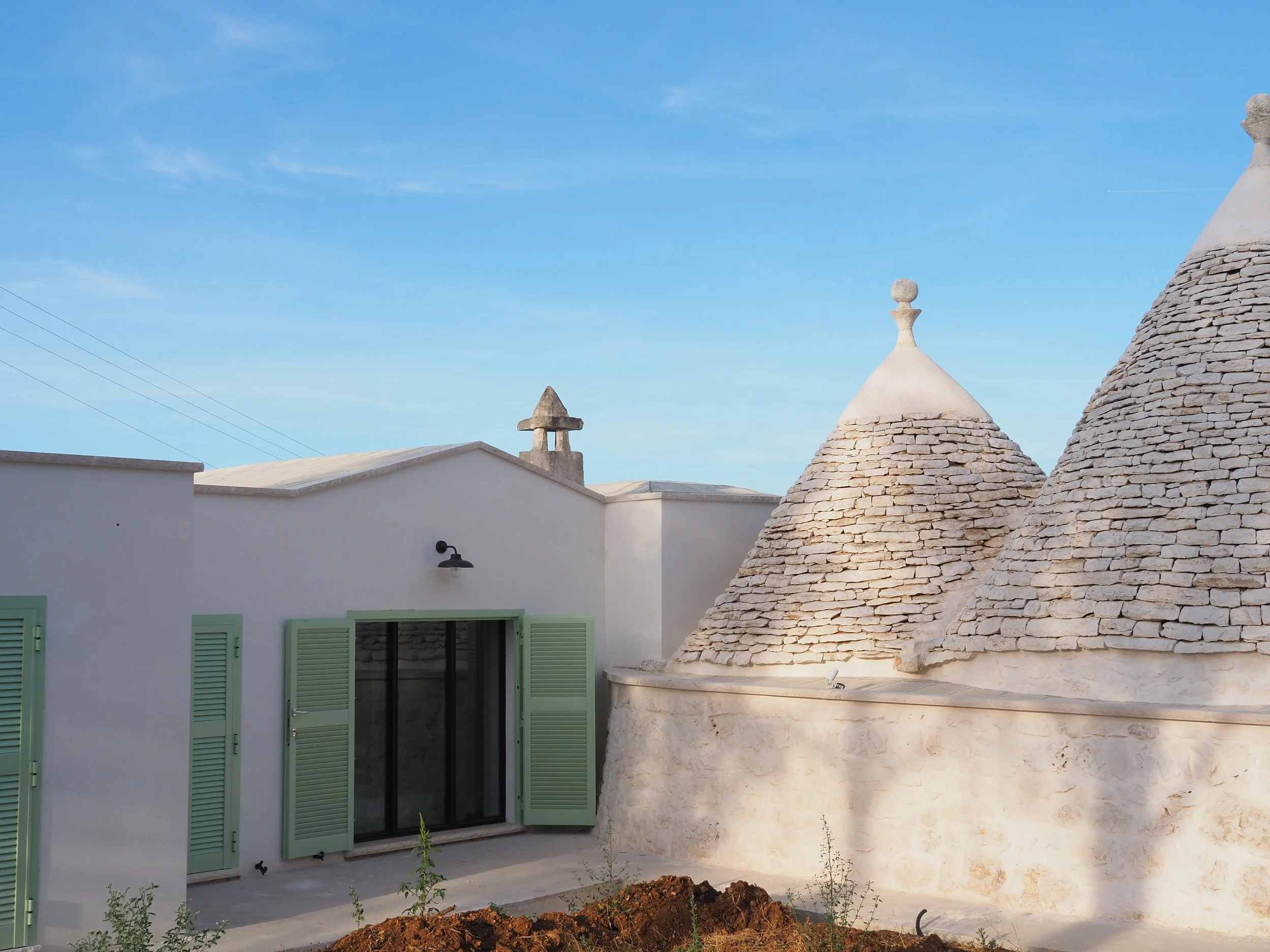
The restoration and extension of a traditional trulli complex in the Apulian countryside originates from a careful reading of the existing architecture, where stone, thick walls, irregular geometries and traces of past transformations become essential elements of a new spatial narrative. Rather than concealing these features, the intervention preserves and enhances them, allowing the original character of the buildings to emerge through a dialogue with contemporary design.
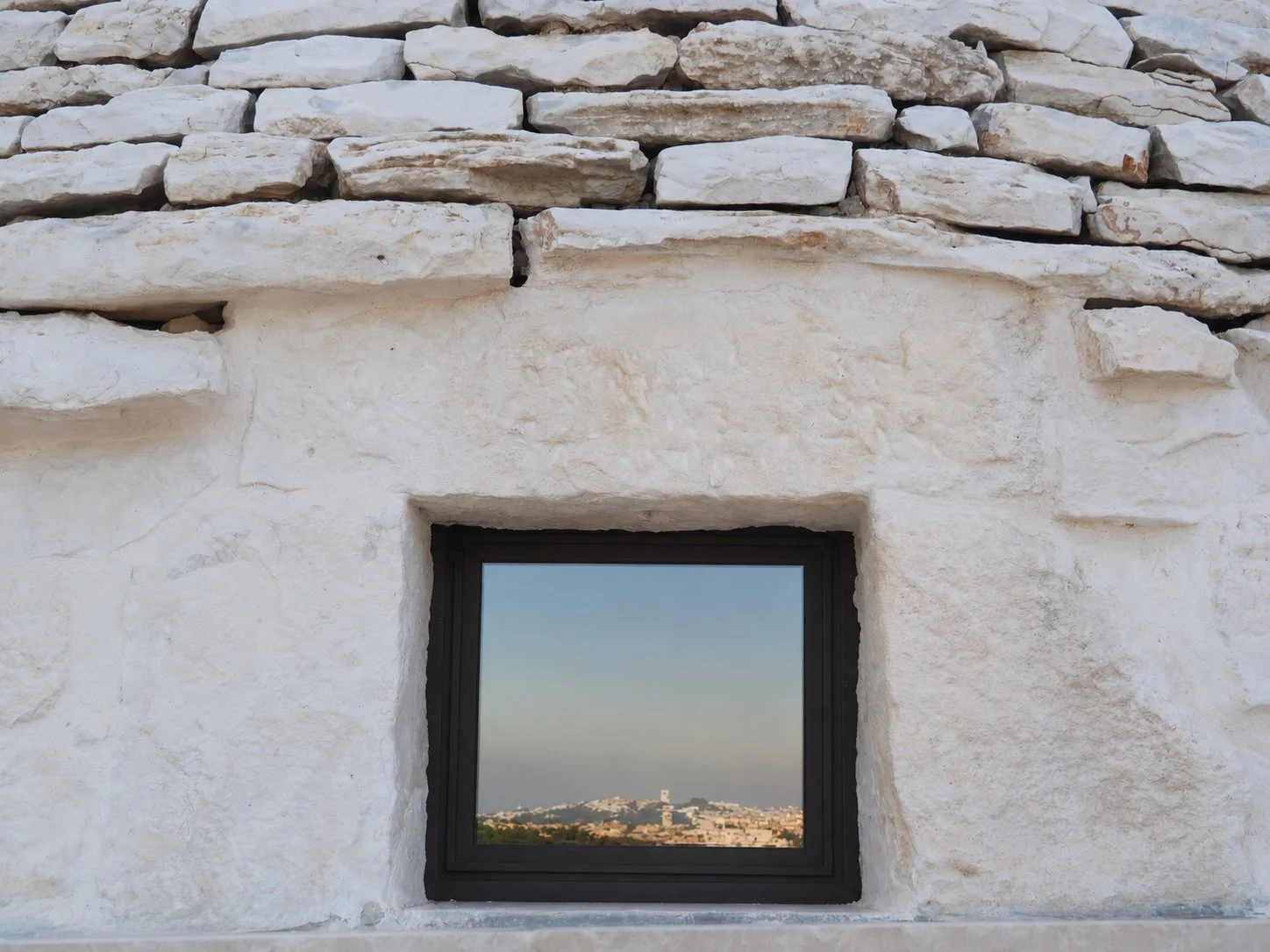
The relationship between architecture and landscape guides the transformation of the interiors. Openings become frames onto the surrounding countryside, establishing a continuous connection between domestic rituals and the natural environment. Everyday gestures, from cooking to resting, are accompanied by changing views, light and seasonal atmospheres. At the same time, nature becomes a physical presence within the house: exposed stone surfaces, sculptural walls and raw local materials create a tactile experience of the architecture.
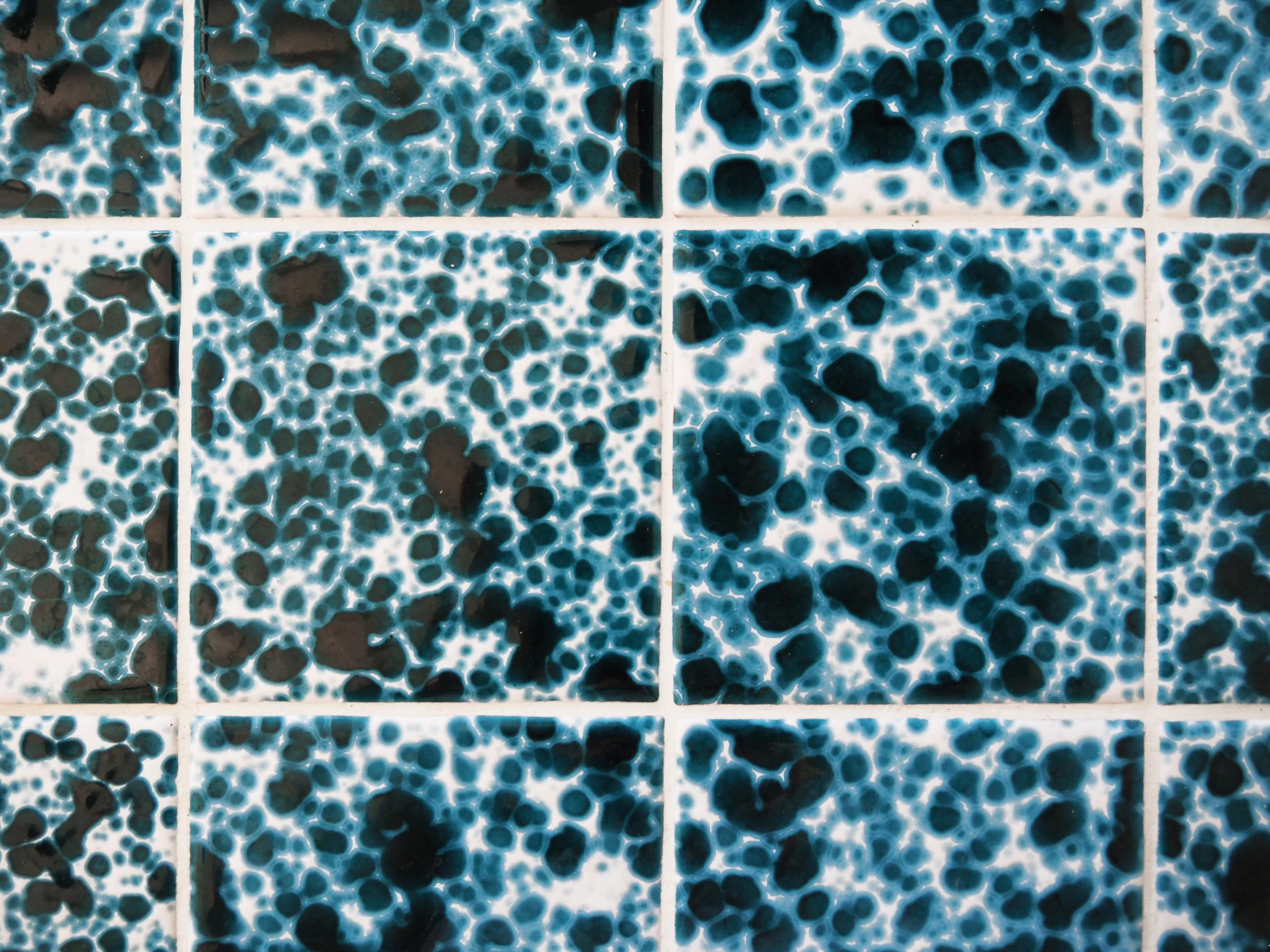
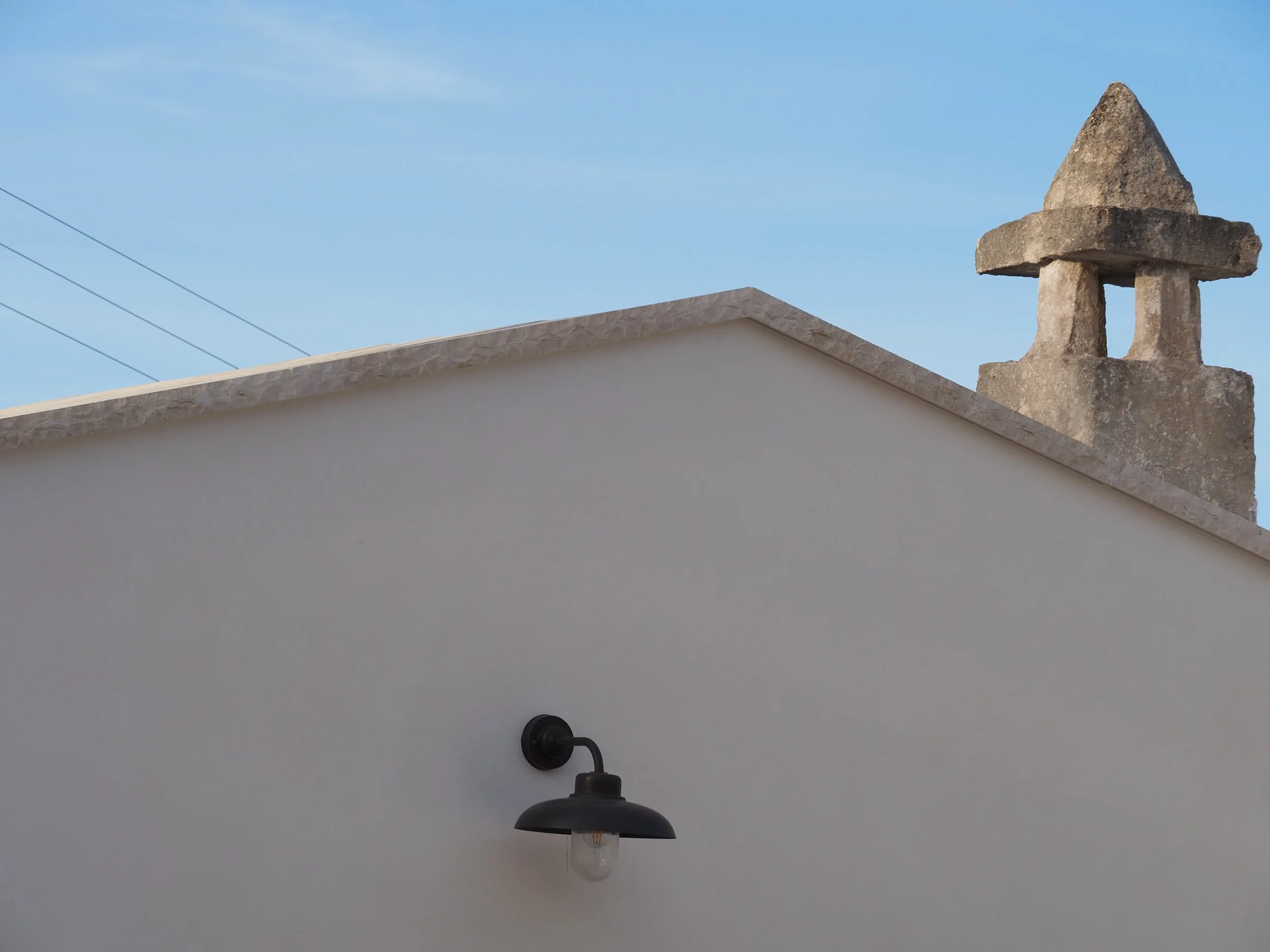
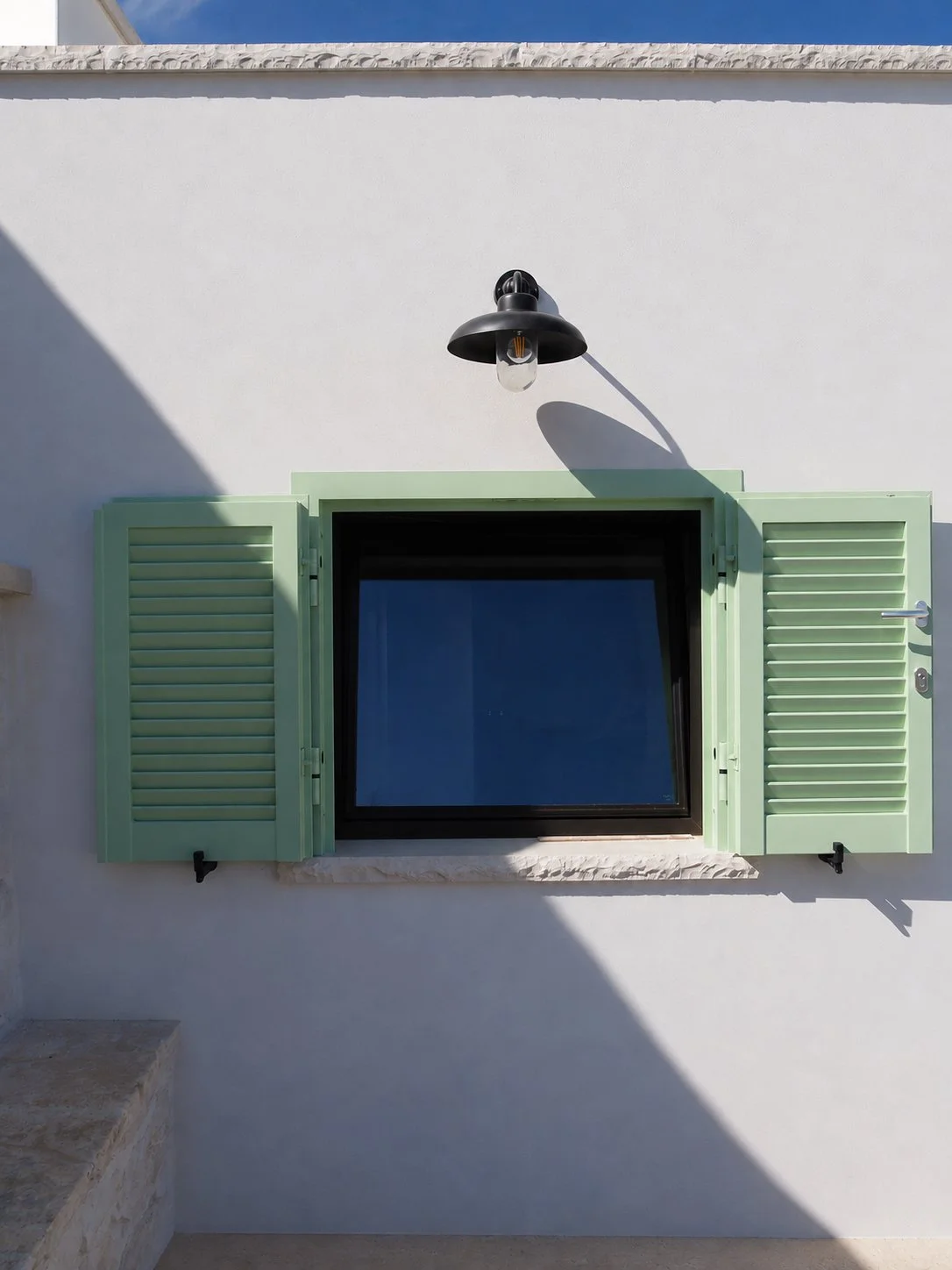
Contemporary interventions are introduced with precision, without attempting to imitate the existing structures. Slender metal and glass frames contrast with the substantial masonry, while traditional doors conceal modern mechanisms. The material palette combines local stone, tuff and traditional limestone paving with resin, glass and metal. Custom ceramic tiles, developed in collaboration with master ceramist Nicola Fasano, reinterpret the regional schizzato technique through a contemporary graphic language. These elements establish a balance between craftsmanship, material authenticity and contemporary expression.
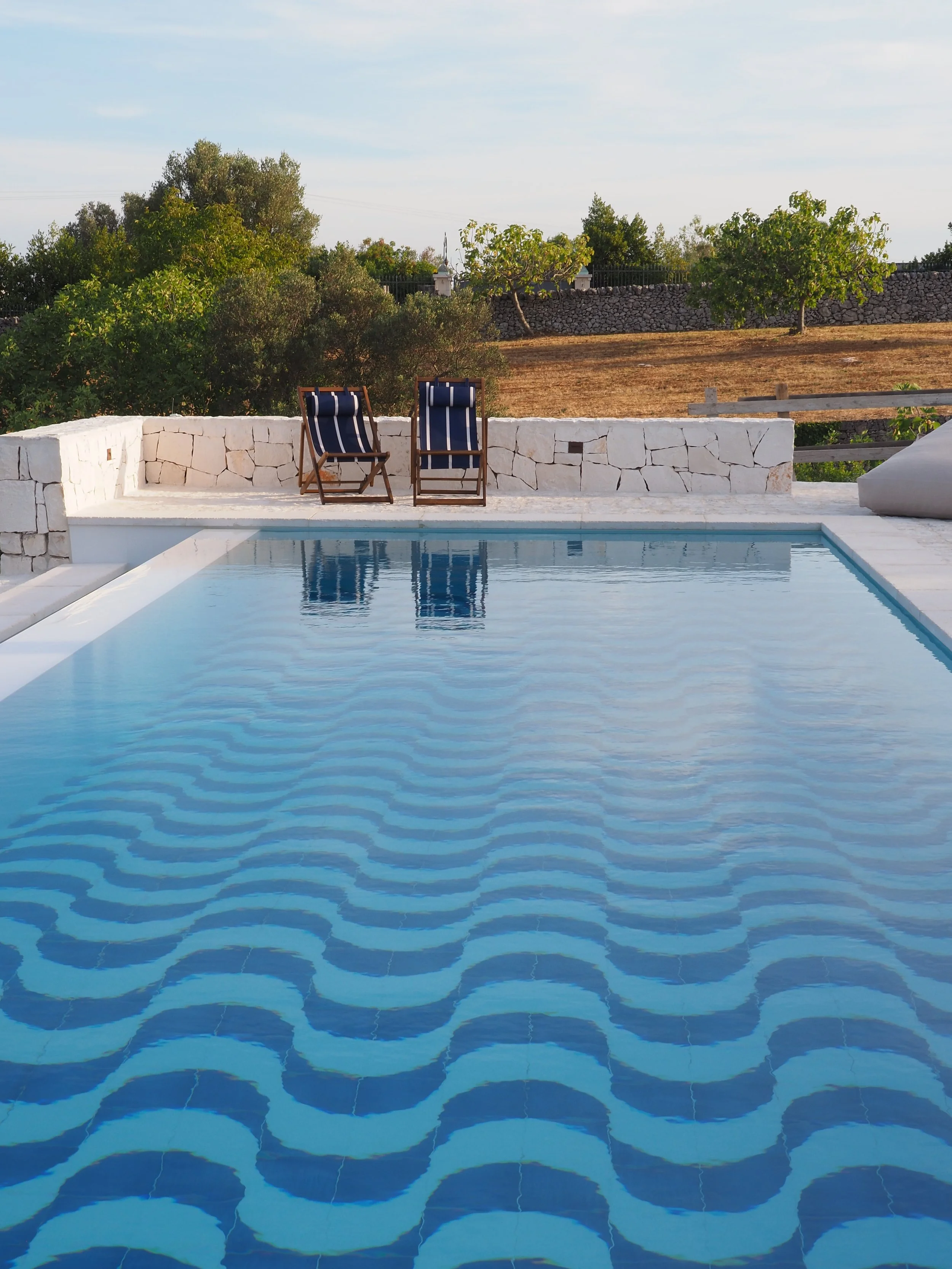
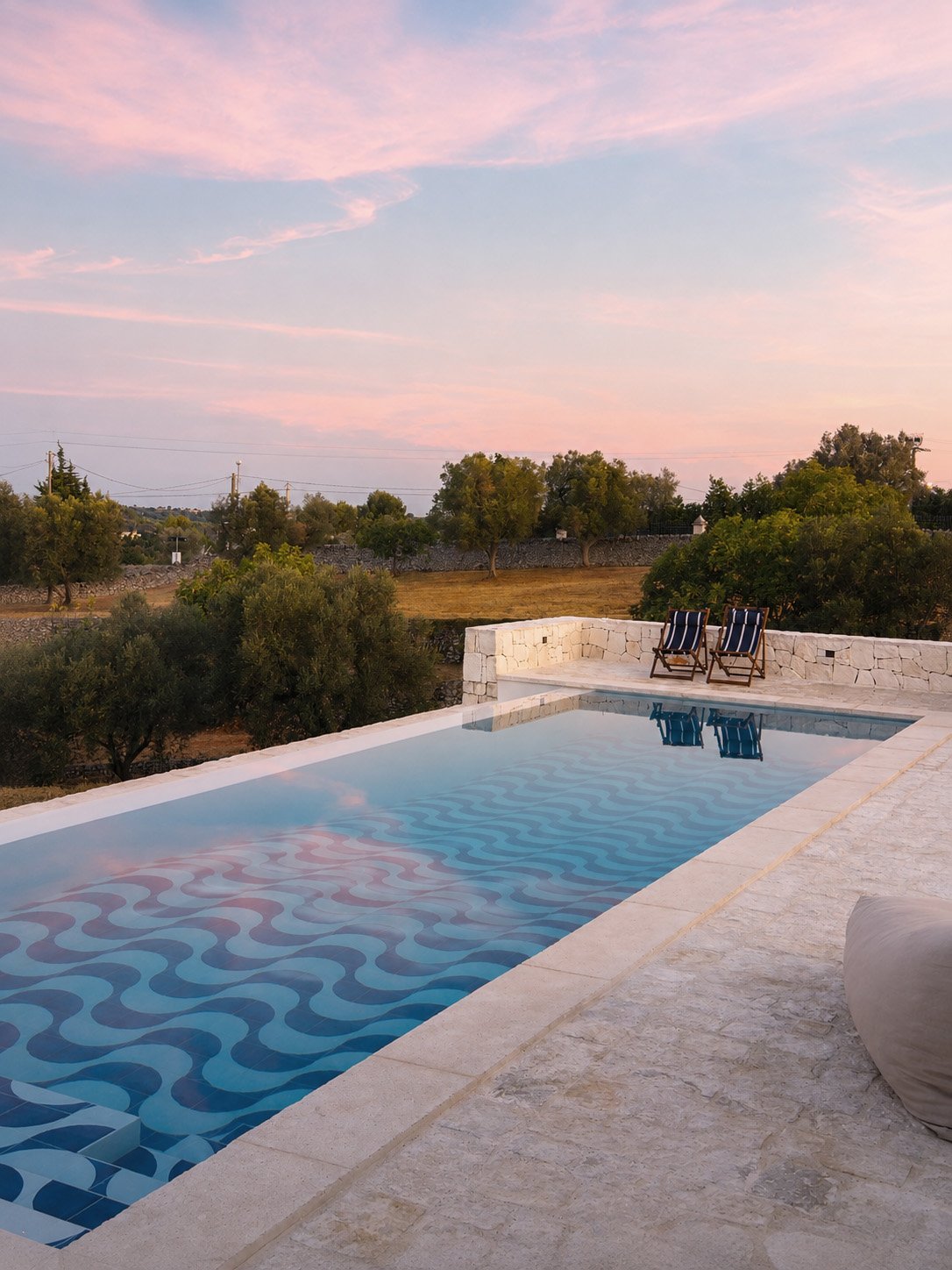
The project extends into the landscape through a swimming pool whose blue and white wave pattern evokes the two seas surrounding the region, the Adriatic and the Ionian. A traditional dry-stone wall provides shelter from the Tramontana wind, transforming a local construction technique into a climatic element. Through these connections between architecture, material and territory, the intervention seeks to create a timeless domestic environment, where the past is neither replicated nor erased, but remains an active part of contemporary life.
-
Constructions: Semeraro edilizia
Custom Furniture: Falegnameria Roma
Photography: Lara Gasparro